 +86-791-8686-1216


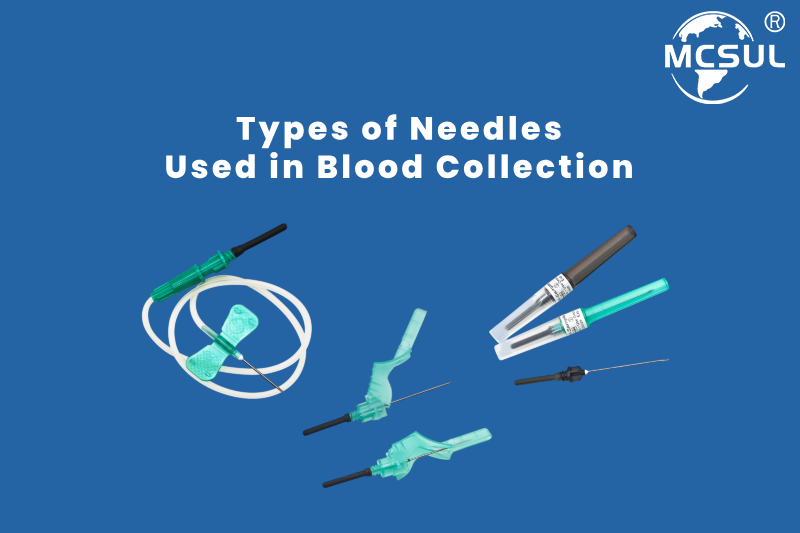
Blood collection is a routine part of medical care. It helps doctors check health, diagnose illness, and track treatment. While it may seem simple, drawing blood safely and with less pain depends a lot on the type of needle used. There are different types of needles used in blood collection, each serving a different function.
Choosing the right needle could improve comfort, reduce vein damage, and provide accurate test results. In this article, we’ll talk about the four different types of needles used for blood collection, how they function, and when to use each one.
Why Needle Choice Matters in Blood Collection
Veins vary. Some patients have prominent veins others have small, fragile, or rolling veins. Age, health, and hydration can also affect veins.
According to the test and the patient, healthcare professionals use different blood collection needles.
With the right needle, you can :
- Reduce Pain and Anxiety
- Minimize Vein Collapse
- Reduce Bruising
- Improve Blood Flow
- Get Reliable Lab Results
A patient can feel more at ease and well informed by being aware of the different types of needles for blood collection.
Understanding Types of Needles Used in Blood Collection
1. Straight Needles (Multisample Needles)
One of the most popular needles used in blood collection to draw blood is a straight needle, also known as a multisample needle. There is only one straight needle with sharp ends on both sides.
One end goes into the patient’s vein. The other end connects to a vacuum blood collection tube.
How Straight Needles Work
Straight needles are usually use with an evacuated tube system. Once the needle is place in the vein, the tube is push onto the back end. The vacuum inside the tube pulls blood in automatically.
This setup allows multiple tubes to be fill from one needle stick.
When Straight Needles Are Used
Straight needles are often use when:
- Veins are strong and easy to access
- Multiple blood tubes are need
- Blood donation is being perform
- Adult patients are being test
2. Butterfly Needles (Winged Infusion Sets)
A butterfly needle is a small needle with two flexible plastic wings on each side. It is also called a wing infusion set. On the back, there is also thin tubing.
This is one of the most well-known types of needles use to draw blood, especially for people who have trouble with their veins. It looks like butterfly wings on the soft plastic wings. During blood collection, these wings aid the healthcare professional in keeping the needle steady.
When Butterfly Needles Are Used
Butterfly needles are often use for:
- Children and olderly patients
- Patients with small or fragile veins
- Hand or wrist vein access
- Patients who fear needles
3. Vacutainer Needles
A Vacutainer needle, a popular type of blood collection needle, integrates with a vacuum tube system. Hospitals, diagnostic labs, and clinics widely consider it one of their most reliable choices for blood collection.
Double ended needles are vacutainer needles. One end goes into the patient’s vein, and the other connects to a vacuum-sealed blood collection tube. The tube draws blood on its own once it attaches.
Vacutainer needles are used with a tube holder and evacuated tubes. After the needle is inserted into the vein, the tube is pushed into the holder. The vacuum inside the tube pulls blood into it without the need for manual suction.
This system enables for multiple tubes to be filled with a single needle insertion, making the procedure quicker and more efficient.
When Vacutainer Needles Are Used
Vacutainer needles are widely use for:
- Regular blood testing
- Lab tests for diagnosis
- Health examinations
- Clinic and hospital blood draws
- Multiple-sample blood collection
They particularly excel when you require steady blood flow and precise sample volumes.
4. Safety Needles
Safety needles protect healthcare workers from accidental needle sticks. These blood collection needles have safety features that cover or retract the needle post-use.
They are available as straight needles and butterfly needles with safety shields.
How Safety Needles Work
User activates the safety mechanism post-blood collection. This could:
- Slide the shield over the needle.
- Retract the needle into the device.
- Lock the needle into position.
This helps prevent injuries and infections.
When Safety Needles Are Used
Safety needles are use in :
- Hospitals and clinics
- Blood banks
- High volume testing labs
- Facilities following strict safety rules
Needle Sizes and Gauges Explained
When talking about types of needles used for blood collection, size also matters. Needle size is measure by gauge.
When talking about types of needles used for blood collection, size also matters. Needle size is measure by gauge.
What Does Gauge Mean?
A greater gauge number indicates a thinner needle.
A smaller gauge number indicates a thicker needle.
Common Needle Gauges for Blood Collection
- 21-gauge: standard adult blood draws
- 22 gauge: Smaller veins
- 23 gauge: butterfly needles and fragile veins
How Professionals Select the Right Blood Collection Needle
Healthcare staff examine various considerations when picking a needle:
- Patient’s age
- Vein size and condition
- Type of test necessary
- Amount of blood required
- Patients’ comfort and safety
Choosing the right needle for blood collection enhances both the experience and the quality of the test.
Safety and Hygiene in Blood Collection
Regardless of the needle type for blood collection, healthcare professionals consistently adhere to safety rules:
- Only single-use needles
- Sterile packaging
- Dispose properly in sharps containers.
- Gloves and antiseptics are essential.
These measures safeguard patients and healthcare staff.
Final Thoughts
Blood collection may feel routine, but the tools used play a big role in safety, comfort, and test accuracy. Understanding the four different types of needles used for blood collection empowers patients with greater knowledge and equips healthcare workers to select the right option for each situation.
If your veins are looking good, straight needles and Vacutainer needles are the way to go for fast and easy blood draws. Safety needles give healthcare pros some extra protection, but butterfly needles really shine when it comes to handling those tiny or delicate veins.
No one-size-fits-all blood collection needle out there. The right choice depends on the patient’s veins, the amount of blood required, and the type of test the clinician performs.
If you ever feel a bit nervous about getting your blood drawn, just remember: innovative needle alternatives exist to make the experience easier and more comfortable. Getting to know how different needles for blood collection work could help ease some of the stress in a tough situation.
Why You Should Choose KDLNC
KDLNC is a reputable provider of medical supplies, recognized for safe, reliable, and high-quality blood collection products. We focus on getting it right, making sure everything feels good and is safe in all our products, especially our blood collection needles and related gear. Our Products are design to meet quality standards and ensure accurate results in clinical and laboratory settings. KDLNC prioritizes small details in blood collection. Our needles ensure smooth insertion, steady blood flow, and less patient discomfort.