What’s a Semi Automatic Biopsy Needle and How Does It Work?

What’s a Semi Automatic Biopsy Needle and How Does It Work

Biopsies help doctors diagnose health issues by taking a small piece of tissue from the body to look for problems like tumors or infections. The tools used for these procedures are important because they can affect how well the biopsy works and how comfortable the patient feels. One useful tool for this is the semi-automatic biopsy needle. In this article, we’ll explain what it is, how it works, and why it’s use, as well as some things to keep in mind.

Introduction to Biopsy Needles

A biopsy needle is a medical device use to remove a small tissue sample from the body. There are different types of biopsy needles, and each one works best for certain procedures. Some needles are simple, while others have special features to make collecting samples easier. For more information on the advantages of using biopsy needles, including the benefits of disposable options, check out our detailed guide on the benefits of disposable biopsy needles. Semi-automatic biopsy needles are popular because they work quickly and are easier to handle than some other types.

What is a Semi Automatic Biopsy Needle?

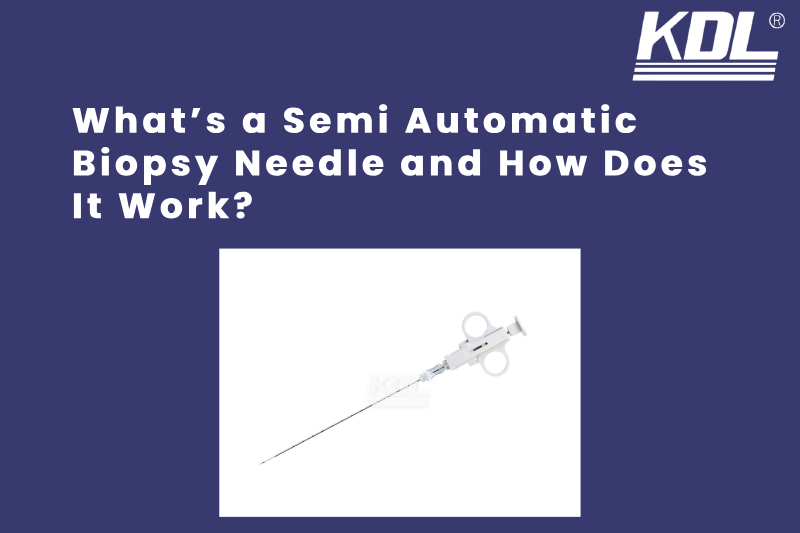
A semi-automatic biopsy needle is a special device use to take tissue samples. The term “semi-automatic” means that the needle does part of the work by itself, but the doctor still controls it. Researchers often use this type of needle for core needle biopsies, where they take a small piece of tissue from an organ like the liver, breast, kidney, or lung.

The needle has a spring-loaded mechanism that helps it move quickly and collect the tissue with one fast motion. This feature makes the procedure quicker and can help reduce discomfort for the patient.

How Does a Semi Automatic Biopsy Needle Work?

A semi automatic disposable biopsy needle combines manual handling with automatic movement to collect a tissue sample. Here’s a simple explanation of how it works:

  • Insertion: The doctor carefully inserts the needle into the target area, often using an imaging tool like an ultrasound or a CT scan to guide them.
  • Trigger Activation: When the needle is in the right spot, the doctor activates a spring-loaded mechanism. This makes the needle move quickly to collect the tissue sample.
  • Sample Capture: The sharp tip of the needle cuts a small piece of tissue. Because it moves quickly, the sample stays in good condition for testing.
  • Sample Removal: The technician pulls out the needle and takes the tissue sample from it for examination.

The mix of manual control and automatic action helps doctors perform the biopsy faster and more accurately.

Components of the Needle

A semi-automatic biopsy needle has a few main parts:

  • Needle Shaft: The long, thin tube that goes into the tissue. The manufacturer makes it from strong metal for safety.
  • Cutting Tip: The sharp end that slices the tissue to get a good sample.
  • Spring-Loaded Mechanism: This part helps the needle move quickly to collect the tissue.
  • Handle and Trigger: Used by the doctor to control the needle and activate the spring.
  • Specimen Chamber: A small space stores the collected tissue.

Operating Procedure for using a semi automatic biopsy needle

Here are the basic steps for using a semi-automatic biopsy needle:

  • Preparation: The medical team positions the patient and cleans the area. The doctor may give local anesthesia to numb the area.
  • Imaging Guidance: Tools like an ultrasound or CT scan help the doctor find the right spot for the biopsy.
  • Needle Insertion: The surgeon carefully inserts the needle into the tissue without activating the spring.
  • Sample Collection: The doctor activates the spring-loaded mechanism, which makes the needle move quickly to collect the tissue.
  • Needle Removal: The technician takes out the needle and retrieves the sample for testing.

The Benefits of Using a Semi Automatic Biopsy Needle

Semi-automatic biopsy needles have several benefits:

1. Faster and More Efficient Procedures

One of the main advantages of a semi-automatic biopsy needle is its speed. The needle has a spring-loaded mechanism that helps it move quickly to collect the tissue sample. This swift action makes the procedure faster, which is beneficial for both the patient and the doctor. Shorter procedures mean less stress for patients and can reduce the time spent in the clinic.

2. Less Discomfort for Patients

Since the needle collects the sample in one quick motion, it reduces the amount of time it stays inside the body. This can make the procedure less painful compared to using a regular needle. The speed of the semi-automatic needle also minimizes tissue damage, which means less soreness afterward.

3. High-Quality Samples for Accurate Diagnosis

Semi-automatic biopsy needles have a sharp cutting tip that helps collect a clean and intact tissue sample. This is important because the quality of the sample affects the accuracy of the diagnosis. When researchers collect the sample quickly and with minimal damage, doctors can analyze it more effectively, leading to better results.

4. Versatility for Different Types of Biopsies

These versatile needles use for different kinds of biopsies. They work well for taking samples from various organs, such as the liver, kidneys, lungs, or breast. This makes them a good option for doctors who perform different types of biopsy procedures.

5. More Control for Healthcare Professionals

The design of the semi-automatic biopsy needle allows doctors to have better control over the procedure. The needle’s trigger mechanism gives healthcare professionals the ability to collect the sample exactly when they need to, ensuring that they target the right area. This control can improve the chances of a successful biopsy.

6. Reduced Procedure Time

Since semi-automatic biopsy needles make it easier to collect samples, they help shorten the overall procedure time. This not only benefits the patient by reducing time spent undergoing the biopsy but also helps clinics and hospitals manage their schedules better, allowing them to assist more patients each day.

7. Minimized Risk of Tissue Damage

The quick action of the semi-automatic needle helps minimize tissue damage during the procedure. Because the needle moves rapidly to collect the sample, there’s less chance of causing trauma to surrounding tissues. This can help with quicker healing and lower the risk of complications after the biopsy.

8. Helps Ease Anxiety for Patients

Knowing that the procedure is quicker and less painful can help put patients at ease. The spring-loaded mechanism helps make the biopsy less daunting, which is important for people who might feel nervous about medical procedures.

Considerations and Risks with semi automatic biopsy needle

There are some risks and things to keep in mind with semi-automatic biopsy needles:

  • Bleeding and Bruising: The procedure might cause some bleeding or bruising at the biopsy site.
  • Infection: Although rare, infections can occur if the medical staff doesn’t clean the area properly before the biopsy.
  • Pain or Discomfort: Some patients may feel sore during or after the biopsy, but this usually doesn’t last long.
  • Not Enough Sample: Sometimes, a doctor may find that the tissue sample is not large enough for a clear diagnosis, and they might need to perform a repeat biopsy.
  • Training Needed: Doctors need special training to use this type of needle correctly.

Conclusion

Semi-automatic biopsy needles are valuable tools for medical procedures, making it easier and quicker to collect tissue samples. They work well for different types of biopsies and help ensure the sample is good for testing. Although there are some risks, trained professionals often outweigh them with the benefits when they perform the procedure.

For more information on biopsy tools and other medical supplies, visit kdlnc.com to explore our products that help make medical procedures safer and more efficient.
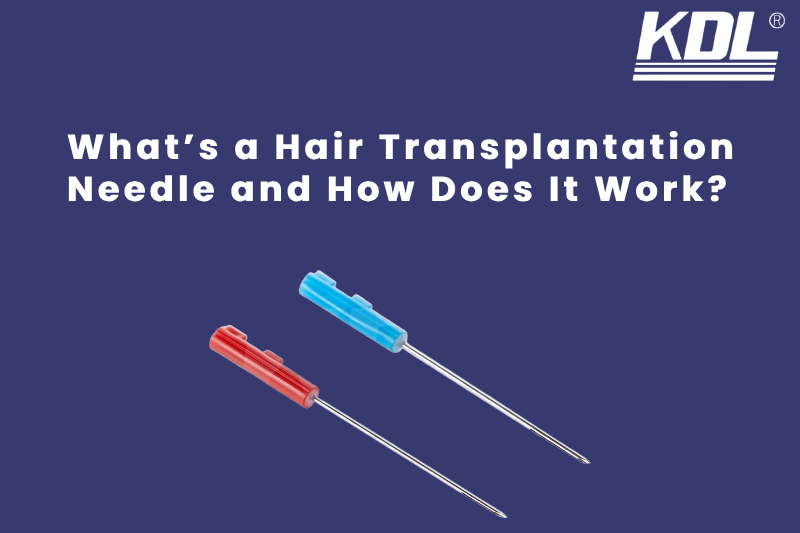
What’s a Hair Transplantation Needles and How Does It Work?

What’s a Hair Transplantation Needle and How Does It Work

Hair transplantation has come a long way, evolving into a sophisticated procedure that delivers remarkable results for individuals facing hair loss. Central to the success of these procedures is the choice of tools—particularly the hair transplantation needles. But what exactly is a hair transplantation needle, and how does it work in procedures like Follicular Unit Extraction (FUE)? In this article, we’ll explore the role of these specialized needles, the types used, and why they are critical to the success of hair restoration.

What are the Hair Transplantation Needles?

Hair transplantation involves extracting hair follicles from a donor area (usually the back or sides of the head) and implanting them into areas where hair is thinning or balding. While various tools are use in this process, the needle is one of the most important. It serves as the vehicle through which hair follicles are extracted and implanted, playing a significant role in ensuring the survival of each follicle and the overall success of the transplant.

In hair restoration, precision is key, and hair transplantation needle are specially design to meet the unique needs of this delicate procedure. Whether it’s an FUE technique or a DHI (Direct Hair Implantation) method, the type of needle used can influence the result in terms of density, scarring, and natural-looking growth.

Types of Hair Transplantation Needles

FUE Hair Transplant Needles

In Follicular Unit Extraction (FUE), one of the most popular hair transplant methods today, the surgeon uses a fine punch needle to extract individual hair follicles from the donor area. These needles are design to be minimally invasive, creating tiny circular incisions around each follicle. The smaller the needle, the less visible scarring, and the quicker the recovery.

FUE needles are typically measure by their size, with diameters ranging from 0.6mm to 1.0mm. Smaller needles are often preferred because they allow for greater precision and minimize tissue trauma, reducing the risk of scarring and maximizing graft survival.

Implanter Pens and Slit Needles

In some advanced hair transplant techniques, such as Direct Hair Implantation (DHI), surgeons use an implanter pen instead of a traditional needle. A popular choice is the Choi implanter pen, which allows surgeons to both extract and implant the hair grafts in one motion. This tool uses a sharp, fine needle attached to a pen-like device that pushes the graft into the scalp without the need for pre-made incisions.

Another type is the slit needle, often used for creating recipient sites. The slit needle allows for a greater control over the angle, depth, and direction of the graft, which is critical for achieving a natural-looking result.

How Does a Hair Transplant Needle Work?

Extraction Phase

The first phase of a hair transplant procedure involves extracting individual hair follicles from the donor site, often located at the back of the head where hair is naturally more resistant to thinning. Using a micro-punch tool, which is essentially a fine needle, the surgeon carefully isolates each follicle, creating a small circular incision around it.

This step requires extreme precision, as the needle must avoid damaging the follicle during the extraction process. Damage to the follicles can reduce their survival rate, impacting the overall success of the procedure.

Implantation Phase

Once the follicles are extracted, they need to be implanted into the recipient area. During this phase, a fine needle is use to create tiny channels or slits where the follicles will be placed. The depth, angle, and direction of each slit are critical for ensuring that the hair grows in a way that looks natural.

In procedures like DHI, the same needle is use to both create the slit and implant the follicle simultaneously. This reduces the time the follicles spend outside the scalp, improving their survival rate.

Why Needle Choice is Critical in Hair Transplants

The choice of needle is one of the most important factors in a successful hair transplant. Here’s why:

  • Precision and Control: The needle size and type influence how precisely the surgeon can place each graft. Smaller, sharper needles allow for better control, which is crucial for achieving natural-looking results, especially when working with smaller grafts.
  • Minimizing Trauma: Hair transplant needles are design to minimize trauma to the scalp and hair follicles. Needles that are too large can damage surrounding tissue, increasing the risk of scarring. By contrast, needles designed for FUE or DHI are small and sharp enough to extract and implant hair without causing significant damage.
  • Graft Survival: The longer a hair graft spends outside of the scalp, the lower its chance of survival. Specialized needles like the Choi implanter pen minimize this time by combining the extraction and implantation phases, improving overall success rates.
  • Reduced Scarring: One of the key benefits of modern hair transplant techniques is the minimal scarring. Needles used in FUE and DHI create tiny incisions, which heal quickly and leave minimal to no visible scarring.

Looking for High-Quality Hair Transplantation Needles?

At KDL, we are proud to be a leading manufacturer and supplier of premium hair transplantation needle and equipment. Our products are design with precision and innovation to support hair restoration professionals in delivering successful, natural-looking results.

Explore our full range of hair transplant needle at kdlnc, and discover how our expertly engineered needles can enhance your practice. Whether you specialize in FUE, DHI, or other techniques, KDL offers the reliable products you need for exceptional outcomes. Contact us today.

Conclusion

The humble hair transplantation needle plays a pivotal role in the success of modern hair restoration procedures. Whether it’s the precise extraction of follicles or their careful implantation, the right needle ensures minimal trauma, high graft survival, and natural-looking results. As hair transplant technology advances, needles will continue to evolve, making the procedure more effective and less invasive for patients around the world.

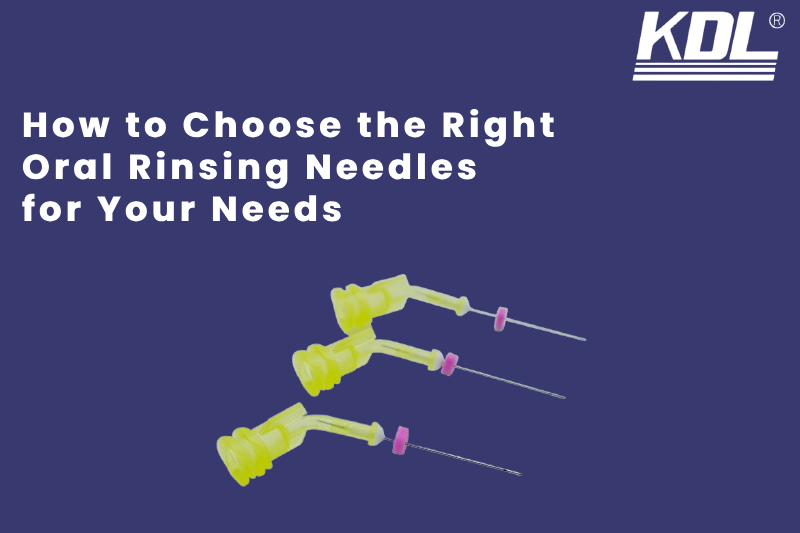
How to Choose the Right Oral Rinsing Needles for Your Needs

How to Choose the Right Oral Rinsing Needles for Your Needs

Oral hygiene plays a crucial role in maintaining your overall health, and an often overlooked tool in this process is the oral rinsing needle. Whether you’re a dental professional or someone looking to improve your oral care routine, choosing the right rinsing needle can make a significant difference. This guide will walk you through the different types of oral rinsing needles, factors to consider when selecting one, and debunk common misconceptions to help you make the best decision for your oral care needs.

What are Oral Rinsing Needles?

An oral rinsing needle is a small, specialized tool used to flush out debris and bacteria from areas in the mouth that are hard to reach with a regular toothbrush or dental floss. These needles are especially useful for people with periodontal issues, dental implants, or those undergoing orthodontic treatment. They deliver a controlled stream of liquid to clean between the teeth and around the gums, promoting healthier mouths and reducing the risk of infection. Understanding the different types of oral rinsing needles and what features to look for can help ensure you get the most effective tool for your specific needs.

Type of Oral Rinsing Needle

When it comes to oral rinsing needles, there are two main categories to consider: standard and specialized. Knowing the difference between the two will help narrow down your options and find a product that best suits your oral hygiene requirements.

Standard Rinsing Needle

Standard rinsing needles are designed for general oral hygiene purposes. They typically come in basic sizes and materials, and are perfect for everyday use. These needles are effective at removing food particles, reducing plaque buildup, and helping to maintain healthy gums. They’re an excellent choice for anyone looking to enhance their daily oral care routine.

Specialized Rinsing Needle

Specialized rinsing needles, on the other hand, are designed for individuals with more specific dental needs. These may include people who have undergone dental surgery, have dental implants, or need extra care due to gum disease. Specialized needles often come in a variety of sizes and shapes to reach difficult areas in the mouth. They may also feature additional functionalities like adjustable water pressure or antimicrobial properties for better cleaning results.

Factors to Consider When Choosing an Oral Rinsing Needle

Selecting the right oral rinsing needle involves more than just picking the first option you see. Several important factors should be considered to ensure you get the best tool for your oral health needs.

Size and Design

The size and design of the oral rinsing needle are crucial in determining how effective it will be. If you have a small mouth or need to clean hard-to-reach areas, look for a needle with a slim, flexible design. For more general cleaning, a standard-sized needle might suffice. Pay attention to the length and tip shape, as these will affect how easily the needle can navigate around your teeth and gums.

Material and Durability

The material of the oral rinsing needle is another important consideration. Most rinsing needles are made from stainless steel or medical-grade plastic, both of which are durable and easy to clean. Stainless steel needles are typically more robust and long-lasting, while plastic options may be more affordable but less durable over time. Choose a material that aligns with your needs for longevity and ease of maintenance.

Ease of Use

No one wants a tool that’s difficult to handle. Ease of use is particularly important if you’re new to using oral rinsing needles. Look for designs that offer a comfortable grip and are easy to maneuver in the mouth. Some products come with ergonomic handles or angled tips, making them simpler to use without needing advanced skills or practice.

Common Misconceptions

While oral rinsing needles are incredibly useful, there are some common misconceptions that might deter people from using them. Let’s clear up a few myths:

  • “Oral rinsing needle are only for people with dental problems.
    This is not true. Oral rinsing needles can improve oral hygiene for anyone, not just those with specific dental conditions.
  • “They’re difficult to use.”
    Many people think that oral rinsing needles are complex and require special training. In reality, most modern designs are user-friendly and easy to incorporate into daily care.
  • “They can damage your gums.”
    When used correctly, oral rinsing needles are safe and effective. In fact, they help clean areas that brushing and flossing might miss, reducing the risk of gum disease.

Conclusion

Choosing the right oral rinsing needle depends on your specific dental needs, the design and material of the tool, and how easy it is to use. Whether you’re looking for a standard needle to improve your daily oral care routine or a specialized option for post-surgical maintenance, there’s an oral rinsing needle out there for you.

Take the time to research and consider the factors discussed in this guide to ensure you select the best product for your needs. If you’re ready to explore high-quality oral rinsing needle supplies, check out the offerings at kdlnc.com, where you’ll find a range of tools designed to support your oral health.

Why Self-Destructive Vaccine Syringes Are Essential for Safe Immunization

Why Self-Destructive Vaccine Syringes Are Essential for Safe Immunization

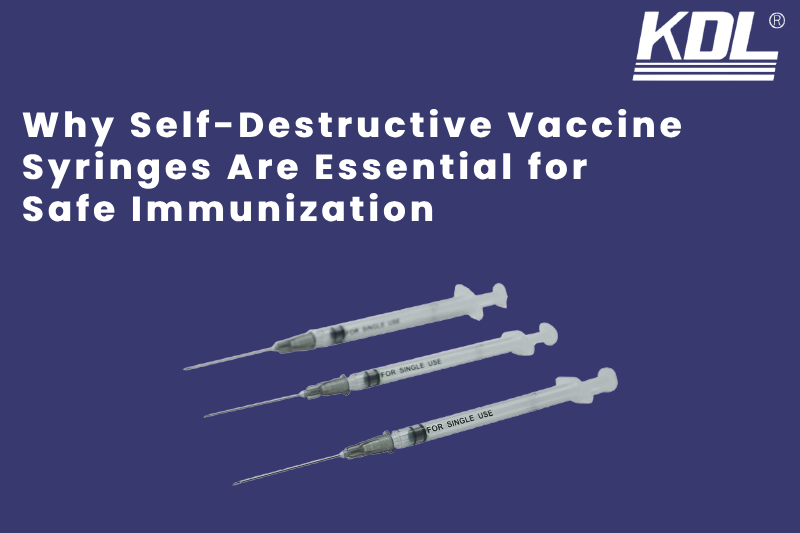
Self-destructive vaccine syringes are a new invention that helps make vaccination safer. These syringes are made to be used only once, stopping the risk of spreading infections if reused. Traditional syringes can cause serious health problems if they’re reused, spreading diseases like HIV and hepatitis.

What is a self-destructive vaccine syringe?

Self-destructive syringes, also called auto-disable syringes, have special parts that make them stop working after a single use. This makes them a great tool for vaccination programs around the world. As we focus more on safe immunization, it’s important to know how these syringes work and why they’re so valuable.

How Self-Destructive Vaccine Syringes Work

Self-destructive syringes have a special mechanism that makes it impossible to reuse them. After the vaccine is given, the syringe’s plunger locks or the needle retracts, making it unusable. In some designs, a spring pulls the needle back into the syringe, while others make the plunger break or lock up so it can’t be pulled back again.

This simple technology protects both the patient and the healthcare worker. It reduces the chance of accidental needle sticks, which can happen when healthcare workers handle needles. By making sure the syringe can only be used once, the risk of spreading infections is lowered, helping create safer medical environments.

The Importance of Safe Immunization Practices

Safe immunization is a key part of public health. Vaccines save millions of lives every year, but the way vaccines are given is just as important. If syringes are reused, they can spread dangerous infections. That’s why the World Health Organization (WHO) promotes safe injection practices.

Self-destructive syringes are an important tool for improving vaccine safety. In places where medical supplies are limited, these syringes provide a reliable way to make sure vaccines are given safely. By stopping reuse, they help lower the risk of spreading bloodborne diseases like HIV. Ensuring that vaccines are given safely builds trust in vaccination programs and encourages more people to get vaccinated.

Advantages of Using Self-Destructive Syringes

Self-destructive syringes offer several important benefits:

  • Prevent infections: By stopping syringe reuse, they help reduce the spread of diseases.
  • Safe disposal: The locked or retracted needle makes it safer to throw away without the risk of someone reusing it.
  • Increase trust in vaccines: When people know syringes are used only once, they are more likely to trust vaccination programs.
  • Lower long-term costs: Even though they might cost a little more upfront, they save money by preventing infections and reducing the need for additional treatments.

Overall, these syringes are a big step forward for healthcare, especially when used in large-scale vaccination efforts.

Potential Challenges and Misconceptions

While self-destructive syringe are very useful, they also face some challenges. One of the main concerns is the cost, as they can be more expensive than regular syringes. However, in the long run, they save money by reducing infections and making disposal safer.

Some people think these syringes aren’t needed in well-established healthcare systems. But even in these places, mistakes or human error can lead to syringe reuse, making self-destructive syringes valuable everywhere.

Another concern is that healthcare workers might need training to use these syringes properly. Fortunately, learning to use them is easy with the right training programs.

Conclusion: The Future of Immunization Safety

Self-destructive fixed dose syringe are helping to make vaccination safer and more reliable. By preventing reuse, they cut down on infections and improve the safety of immunization programs. This technology benefits both patients and healthcare workers by making sure every vaccine dose is given safely.

As more countries adopt these syringes, the future of vaccination looks even safer. Promoting the use of self-destructive syringes will improve public health and make vaccines more trustworthy. Healthcare providers and organizations should continue to explore how these syringes can play a key role in safer immunization.

By focusing on safe vaccine practices, we can create a healthier world. To learn more about these syringes and other health innovations, contact us today.

What’s a Nerve Block Needle, and How Does It Work?

What’s a Nerve Block Needle, and How Does It Work_

Nerve block needles play a crucial role in pain management, helping people deal with chronic pain or preparing for surgery. These specialized needles deliver medication to specific nerves, temporarily blocking pain signals. Whether you are exploring this technique for your own relief or as a healthcare professional, understanding how nerve block needles work is important.

Introduction to Nerve Block Needles

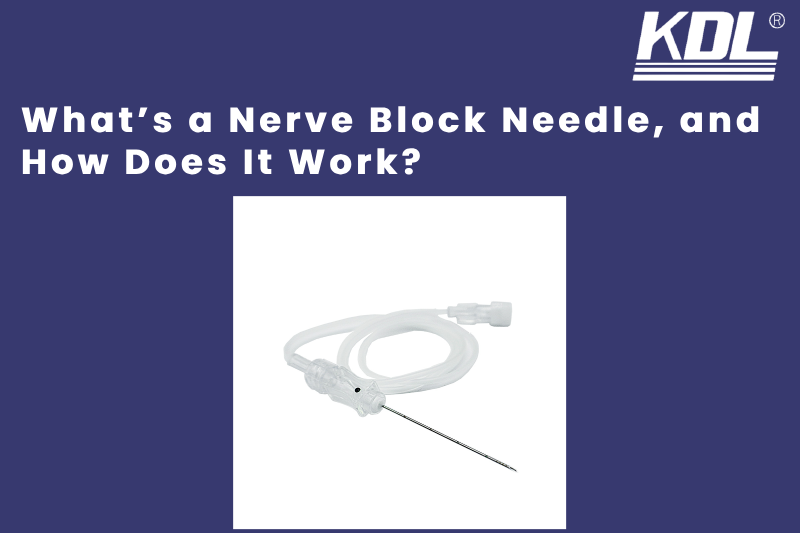
A nerve block needle delivers medication near a nerve or a group of nerves to numb the area and reduce pain. Nerve blocks provide temporary pain relief, which can last for hours or even days, depending on the type of medication used. Common uses include surgeries, chronic pain treatment, and labor pain management.

KDL, a leading medical device manufacturer and supplier, produces high-quality nerve block needles. Their products are designed for precision, safety, and reliability, making them a trusted choice for healthcare providers worldwide.

Types of Nerve Block Needles

Different procedures require different types of nerve block needles. The most common types include:

  • Short Bevel Needles: These blunt-tip needles work best for peripheral nerve blocks, targeting specific nerves outside the brain and spinal cord.
  • Long Bevel Needles: Doctors use these sharper needles for deeper blocks, such as epidural nerve blocks near the spine.
  • Insulated Needles: These feature a special coating that helps guide the needle to the exact nerve using electrical stimulation.

KDL manufactures all these types to meet the high standards of healthcare professionals. Their needles ensure accurate and safe delivery during nerve block procedures.

How Nerve Block Needles Work

During a nerve block injection, the doctor uses the needle to inject anesthetic or medication near a nerve. This action temporarily halts pain signals from reaching the brain, providing significant relief. In some cases, it also reduces inflammation or improves movement.

To guide the needle precisely, doctors often rely on ultrasound or imaging technology. This method increases accuracy and minimizes risks. KDL’s nerve block needles feature designs that support this precision, ensuring a safe and comfortable procedure for patients.

Mechanism of Action

Nerve block needles work by stopping pain signals from traveling to the brain. Under normal circumstances, nerves send signals to alert the brain to pain. When a doctor administers a nerve block, the medication interrupts this communication.

The anesthetic used, such as lidocaine or bupivacaine, numbs the nerve. In some cases, a steroid helps reduce inflammation around the nerve, providing additional relief.

Procedure Overview

The nerve block procedure is straightforward and takes about 15 to 30 minutes. Here’s what to expect:

  • Preparation: The doctor cleans and numbs the area with a local anesthetic.
  • Imaging: Ultrasound or fluoroscopy (a type of X-ray) guides the needle to the target nerve.
  • Injection: The doctor injects the medication slowly once the needle is in place.
  • Monitoring: You’ll be observed briefly to ensure the block works effectively and safely.

KDL’s nerve block needles are designed to make the procedure smooth and efficient, reducing discomfort for the patient while maximizing relief.

Benefits of Nerve Blocks

Nerve blocks offer many advantages. One major benefit is targeted pain relief. Since the medication goes directly to the affected nerve, it does not affect the entire body like general anesthesia. Other benefits include:

  • Reduced Opioid Use: Nerve blocks provide enough pain relief to reduce the need for strong painkillers.
  • Faster Recovery: Many patients experience quicker recovery times after surgery or injury.
  • Fewer Side Effects: Since nerve blocks are localized, there are fewer side effects compared to systemic pain relief methods.

For those managing chronic pain, nerve blocks can be life-changing. KDL’s nerve block needles are designed to ensure consistent, reliable results, offering both doctors and patients the best outcomes.

Risks and Considerations

While nerve blocks are generally safe, there are some risks to consider. These include:

  • Infection: As with any procedure that breaks the skin, infection is a risk, though rare.
  • Bleeding: Patients with bleeding disorders or those on blood thinners may face increased risks.
  • Nerve Damage: In rare cases, temporary nerve damage can occur during the procedure.

KDL manufactures nerve block needles with the highest safety standards. This commitment helps minimize these risks, ensuring effective pain management with fewer complications.

Conclusion

Nerve block needle provide effective pain relief for surgeries, chronic pain, and other medical conditions. If you’re considering a nerve block or want to explore pain management options, consult with your healthcare provider.

KDL, as a leading medical device manufacturer and supplier, provides nerve block needle designed for precision and safety. To learn more about KDL’s products and how they can support your pain management needs, contact us today.

The 90th CMEF

Get ready to experience the excitement of the 90th CMEF, taking place at the Shenzhen World Exhibition and Convention Center from October 12th to 15th! KDL will be there, eagerly awaiting your visit at Hall 15, booth 15H-15E29. Come join us for a vibrant display of innovation and connection.

Why You Should Choose Disposable Biopsy Needles for Your Practice

Why You Should Choose Disposable Biopsy Needles for Your Practice

In medical practices, biopsy needles are a crucial device. They allow doctors to collect tissue samples for testing, helping in the diagnosis of various conditions. One of the most important decisions a practice can make is whether to use disposable or reusable biopsy needles. In this post, we’ll explore why disposable biopsy needles may be the better choice for your practice.

Understanding Disposable Biopsy Needles

What Are Disposable Biopsy Needles?

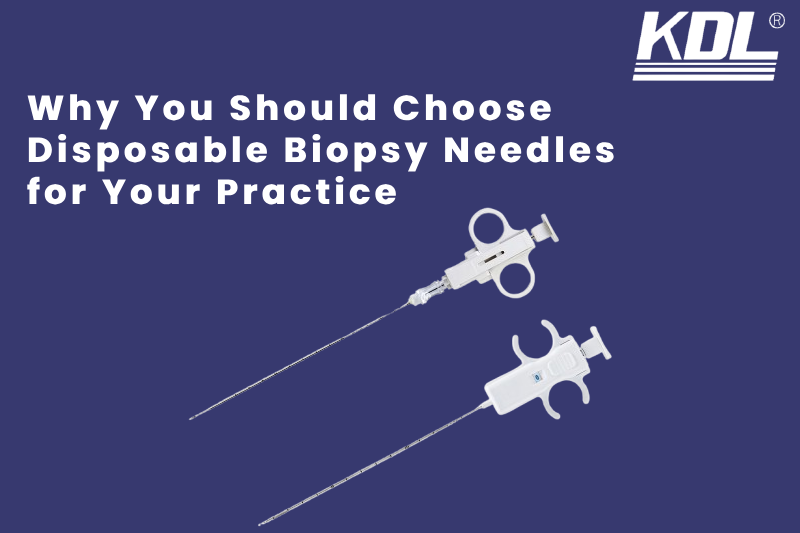
Disposable biopsy needle are single-use medical device made to collect tissue samples during a biopsy. Unlike reusable needles, they are discarded after each procedure, reducing the need for sterilization between uses. These needles are widely available in different sizes and types to suit various biopsy needs.

Types of Disposable Biopsy Needles

There are several types of disposable biopsy needles, each designed for specific uses. For example:

  • Core needles collect a small cylinder of tissue, often used for breast or prostate biopsies.
  • Fine-needle aspiration needles use a thin needle to remove cells, commonly used in thyroid or lung biopsies.

Each type serves a different purpose but shares the advantage of being single-use.

How Disposable Biopsy Needles Differ from Reusable Needles

The main difference between disposable and reusable needles is their longevity. Reusable needles are sterilized and used multiple times, while disposable needles are used once and thrown away. While reusable needles may seem more cost-effective initially, they come with risks, including the potential for cross-contamination and time spent on cleaning and sterilization.

Benefits of Using Disposable Biopsy Needles

Enhanced Patient Safety

One of the most significant benefits of disposable biopsy needles is the increased level of patient safety. Each needle is sterile and used only once, which minimizes the risk of infection. This is especially important in healthcare, where even small risks can have serious consequences.

Reduced Risk of Cross-Contamination

With reusable needles, there’s always a chance of cross-contamination, even with proper sterilization procedures. Disposable biopsy needles eliminate this risk by ensuring a fresh, sterile needle is used for every patient.

Convenience and Time-Saving

Disposable needles save time in your practice. There’s no need to spend time cleaning and sterilizing them after every use. This not only streamlines the workflow but also frees up staff for other essential tasks, making your practice more efficient.

Cost Considerations

Initial Investment vs. Long-Term Savings

At first glance, disposable biopsy needles might seem more expensive than reusable ones. However, when you factor in the costs of sterilization equipment, staff time, and the potential liability from cross-contamination, the long-term savings become clear.

Comparing Costs: Disposable vs. Reusable

When comparing the costs, you also need to think about hidden expenses. Reusable needles require maintenance, storage, and sterilization, all of which add to their total cost. Disposable needles, while they have a higher upfront cost per unit, often end up saving money in the long run by reducing these extra costs.

Read More : 7 Things to Consider Before Acquiring a Bone Marrow Biopsy Needle

Environmental Impact

Eco-Friendly Materials

Some manufacturers are now offering disposable biopsy needles made from eco-friendly materials. These biodegradable options help reduce the environmental footprint of medical waste, providing a more sustainable choice for practices concerned about their impact on the environment.

Proper Disposal and Recycling Options

Proper disposal is crucial when using disposable biopsy needles. Many suppliers offer recycling programs or provide clear guidelines for safe and environmentally friendly disposal. Following these protocols can reduce the environmental impact of your practice, making it easier to balance safety and sustainability.

Practical Tips for Implementation

Choosing the Right Supplier

To ensure you’re getting high-quality disposable biopsy needle, choose a supplier that meets industry standards. When choosing best supplier, KDL is your trusted manufacturer, supplier, and exporter of high-quality disposable biopsy needle. As an industry leader with a proven track record in medical supplies, KDL meets all necessary industry standards, ensuring reliability and safety.

Staff Training and Protocols

Proper staff training is essential for a smooth transition to disposable biopsy needle. Make sure your team is trained on the correct usage, handling, and disposal of these needles to maximize efficiency and safety. Establishing clear protocols can also help prevent any mistakes and ensure patient safety is maintained.

Monitoring and Feedback Mechanisms

Once you’ve implemented disposable biopsy needle in your practice, it’s a good idea to regularly monitor their use and gather feedback. This will help you identify any areas for improvement and make sure the switch is benefiting both your practice and your patients.

Conclusion : Making the Switch to Disposable Biopsy Needles for Your Practice

Disposable biopsy needle offer a range of advantages for medical practices. From enhanced patient safety to time-saving convenience, they address many of the challenges associated with reusable needles. Though they may have a higher upfront cost, their long-term benefits, such as reduced cross-contamination risk and lower overall costs, make them a smart choice. When you factor in eco-friendly options and proper disposal practices, it’s clear that disposable biopsy needle are a valuable tool for modern healthcare practices.

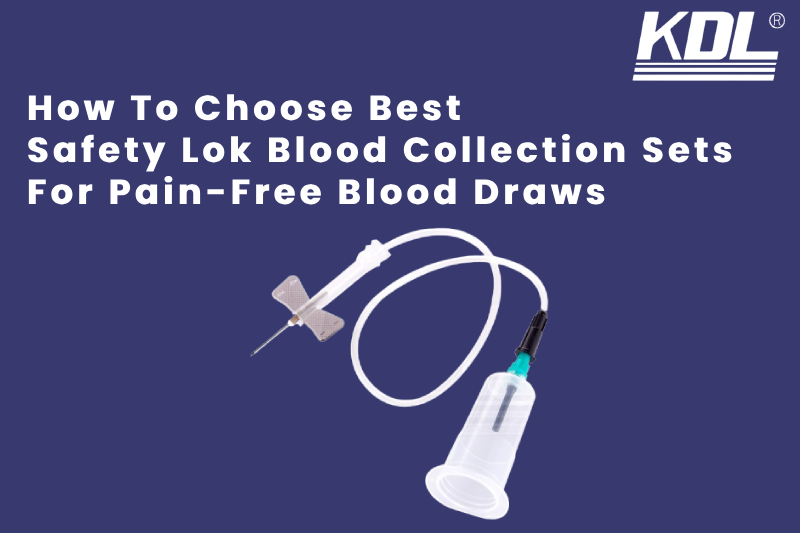
How To Choose Best Safety Lok Blood Collection Sets For Pain-Free Blood Draws

How To Choose Best Safety Lok Blood Collection Sets For Pain-Free Blood Draws

Blood draws can often be uncomfortable and stressful for patients, but safety lok blood collection sets offer a solution for a pain-free experience. These innovative devices are designed to minimize discomfort while ensuring safe and efficient blood collection. In this post, we will explore how to use safety lok blood collection sets effectively. You’ll learn the key techniques and best practices to enhance patient comfort, making blood draws a more pleasant experience for everyone involved.

What are Safety Lok Blood Collection Sets?

Safety lok blood collection sets are designed to make blood draws as painless and comfortable as possible. With their innovative design and advanced technology, these sets are a game-changer for anyone who dreads the thought of needles and blood draws. Say goodbye to the anxiety and fear that often comes with traditional blood draws, and say hello to a more pleasant and stress-free experience.

The Importance of Safety in Blood Collection

Every day, healthcare workers perform blood draws for tests, diagnoses, and treatments. While this may seem like a simple task, it comes with risks, such as accidental needle sticks and patient discomfort. Without proper tools, both the person drawing blood and the patient are at risk of injury or infection. Therefore, having safe and reliable equipment is essential.

The Safety Lok Blood Collection Set was created to minimize these risks. Its design reduces the chances of needle-stick injuries, which can expose healthcare workers to infections. At the same time, it helps make the process more comfortable for patients, reducing pain and anxiety.

Benefits of Using Safety Lok Sets for Pain-Free Blood Draws

There are several advantages to using a Safety Lok Blood Collection Set for blood draws. These benefits improve both safety and comfort for everyone involved.

Better Hygiene: Since the set is single-use, it ensures that every blood draw is done with sterile equipment. This lowers the risk of infections caused by reused needles.

Reduced Risk of Needle Sticks: The Safety Lok set has a built-in safety feature that locks the needle in place after use. This reduces the chances of accidental needle sticks, which can cause serious infections.

Less Pain for Patients: The set’s small, thin needle causes less discomfort during the blood draw. This makes it ideal for patients with small veins or those who are nervous about needles.

Ease of Use for Healthcare Workers: The flexible tubing of the Safety Lok set allows healthcare workers to move freely without disturbing the needle. This makes the process smoother and quicker.

How the Safety Lok Blood Collection Set Enhances Patient Care

Patient comfort and safety are key elements of quality healthcare. The blood collection needle with safety lock plays a significant role in improving the patient experience during blood draws.

  • Comfortable for All Patients: Thanks to its smaller needle and flexible tubing, patients experience less pain and discomfort during blood collection. This is especially important for children, older patients, and those with a fear of needles.
  • Reduces Anxiety: Knowing that the procedure will be less painful can help calm anxious patients. When patients are relaxed, blood collection becomes easier for healthcare workers as well.
  • Quick and Efficient: The design of the Safety Lok set allows for quick, smooth blood draws, reducing the amount of time the patient spends in the clinic or hospital. This efficiency benefits both the patient and the healthcare provider.
  • Enhanced Safety: By reducing the risk of needle-stick injuries, the Safety Lok set protects healthcare workers, helping them feel safer and more confident while caring for their patients.

Step-by-Step How to Use Safety Lok Sets for a pain-free blood draw

Using Safety Lok Sets is a breeze. Simply follow these steps for a pain-free blood draw experience:

  • Clean the injection site with an alcohol swab.
  • Remove the Safety Lok Set from its packaging.
  • Insert the needle into the vein at a 15-30 degree angle.
  • Secure the Safety Lok Set in place.
  • Begin the blood draw process.
  • Once the blood draw is complete, remove the Safety Lok Set and dispose of it properly.

Tips for Ensuring a Smooth and Pain-Free Blood Draw Experience

To ensure a smooth and pain-free blood draw experience, follow these tips:

  • Relax and take deep breaths to calm your nerves.
  • Communicate any concerns or fears with your healthcare provider.
  • Stay hydrated before the blood draw to make veins more visible.
  • Keep the injection site clean and dry to prevent infection.

Common Mistakes to Avoid When Using Safety Lok Sets

When using Safety Lok Sets, it’s important to avoid common mistakes that can lead to discomfort or complications. Some common mistakes to avoid include:

  • Inserting the needle at the wrong angle.
  • Failing to secure the Safety Lok Set properly.
  • Using a dull or damaged needle.
  • Not disposing of the Safety Lok Set properly after use.

Conclusion: Making the Right Choice for Patient Safety

In healthcare, every decision impacts patient safety and comfort. Choosing the safety lok blood collection set is a smart move for both healthcare professionals and patients. Its design ensures safer procedures for healthcare workers while minimizing pain and anxiety for patients. By incorporating this set into regular practice, healthcare providers can improve the overall quality of care they deliver.

In a field where safety and comfort are vital, the safety lok blood collection set proves to be a valuable medical device. Whether you’re a medical professional or someone needing frequent blood draws, this set ensures a smoother, safer experience for everyone involved.

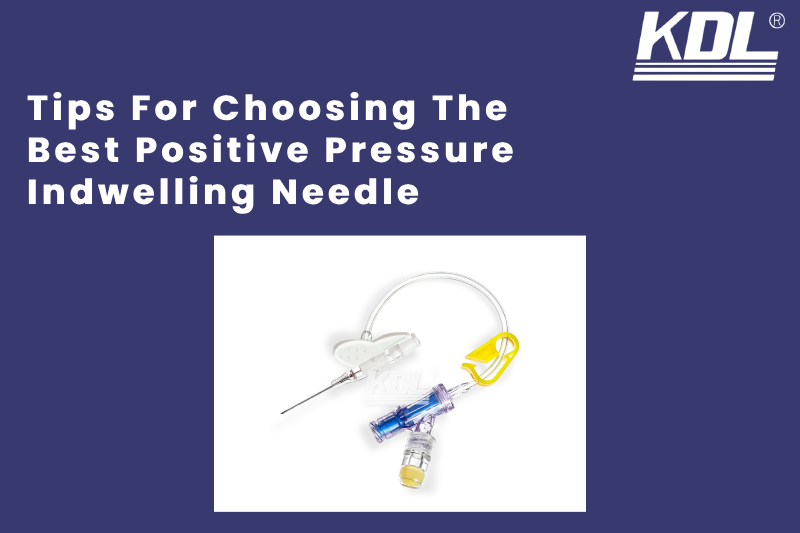
Tips For Choosing The Best Positive Pressure Indwelling Needle

Tips For Choosing The Best Positive Pressure Indwelling Needle

Positive pressure indwelling needle are a crucial component in modern medical care, particularly in IV therapy and blood sampling. They help prevent the backflow of blood and maintain a steady flow of fluids through the catheter.

These indwelling needle are designed with innovative technology to reduce complications, improve patient safety, and enhance the overall experience for both healthcare professionals and patients. Choosing the right one can make all the difference in clinical outcomes, so it’s important to understand what factors to consider when making a decision.

Importance of Choosing the Right Positive Pressure Indwelling Needle

Selecting the correct positive pressure indwelling needle goes beyond simply picking one that fits the equipment. The wrong needle can lead to complications such as blockages, infections, or patient discomfort.

For medical professionals, ensuring you choose the right needle directly impacts patient safety and the effectiveness of treatment. Whether you’re administering medication or drawing blood, the choice of needle can significantly affect procedural efficiency and patient outcomes. By understanding the different options available and knowing what to look for, you can enhance your practice and reduce risks.

Key Considerations When Selecting a Needle

When choosing a positive pressure indwelling needle, it’s essential to take several factors into account. The right choice depends on your clinical needs, the type of patient, and the procedure being performed.

i. Size and Gauge

The size and gauge of the needle are critical factors. The gauge refers to the needle’s diameter, with smaller numbers indicating larger diameters. For instance, a 14-gauge needle is larger than a 22-gauge needle. Depending on the procedure, you may need a larger gauge for rapid fluid administration or a smaller one for less invasive treatments. Selecting the appropriate gauge ensures minimal discomfort for the patient and helps prevent vein damage or complications.

ii. Material and Coating

The material of the needle plays a vital role in its performance. Stainless steel is commonly used for its durability and resistance to corrosion. Additionally, needles can come with coatings like silicone, which help reduce friction and ease insertion. Consider the materials that best suit your facility’s needs, especially if your patients require long-term indwelling needles or have specific medical conditions that make insertion more challenging.

iii. Hub Characteristics

The hub of the needle is often overlooked but plays an important role in usability. A well-designed hub ensures secure connections and easy manipulation during procedures. Ergonomic hubs reduce hand strain and improve control, which is especially important during lengthy or repetitive procedures. Make sure the hub design matches your needs and allows for efficient catheter placement.

Benefits of Positive Pressure Indwelling Needles

Positive pressure indwelling needles offer several benefits over traditional needles, making them a popular choice in clinical settings.

  • Reduced Risk of Blockage: The positive pressure mechanism prevents blood from entering the catheter, reducing the likelihood of blockages or occlusions.
  • Improved Patient Comfort: The smooth insertion and reduced need for frequent maintenance make the procedure more comfortable for patients, especially those requiring long-term treatment.
  • Increased Safety: By minimizing the risk of backflow and contamination, positive pressure needles help protect both patients and healthcare staff from infection and other complications.

These advantages not only improve procedural outcomes but also enhance the patient experience, making positive pressure needles a superior choice in many clinical situations.

Common Mistakes to Avoid

While positive pressure indwelling needles offer many advantages, it’s important to avoid common pitfalls when selecting and using them.

  • Choosing the Wrong Size: Selecting a needle that’s too large or too small for the procedure can lead to complications such as vein damage or inadequate fluid flow. Always match the needle size to the specific needs of the patient and the task at hand.
  • Overlooking Material Quality: Not all needles are created equal. Focusing solely on cost without considering the material and coating quality can result in needles that are prone to breakage or corrosion, leading to costly replacements or complications.
  • Ignoring Hub Design: A poorly designed hub can lead to leaks or difficulty during insertion. Ensure that the needle’s hub is ergonomically designed and fits securely with your existing equipment.

By being mindful of these factors, you can avoid setbacks and ensure a smoother experience for both staff and patients.

Conclusion and Final Thoughts

Choosing the right positive pressure indwelling needle is an essential part of providing high-quality patient care. By considering factors such as size, material, and hub design, you can ensure the needle you select is the best fit for your clinical needs. Avoiding common mistakes, such as selecting the wrong gauge or overlooking key features, can further improve your outcomes. Always prioritize quality and patient comfort in your decision-making process. For the best selection of high-quality positive pressure indwelling needles, visit kdlnc to explore our offerings and find the right solution for your practice.

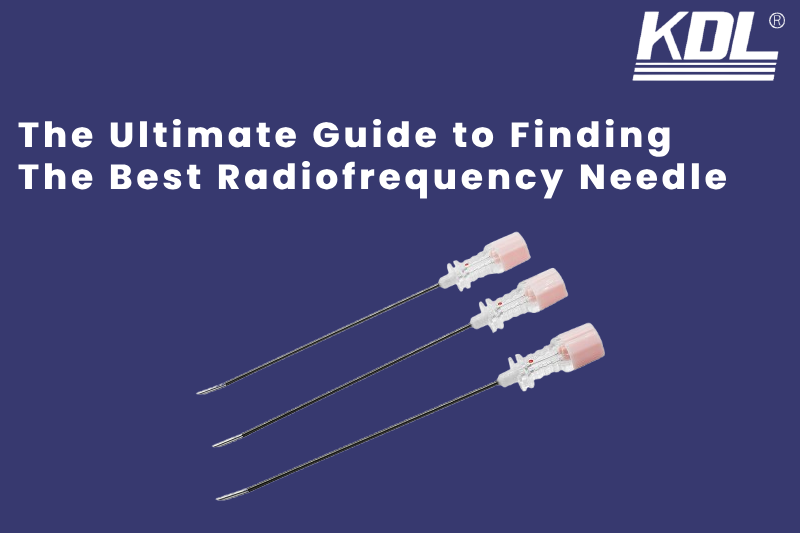
The Ultimate Guide to Finding the Best Radiofrequency Needle

The Ultimate Guide to Finding the Best Radiofrequency Needle

When it comes to radiofrequency (RF) needle, making the right choice is essential for effective treatments and patient care. Whether you’re a medical professional or someone exploring aesthetic medicine, finding the best RF needle can make a significant difference in the quality of the procedure. This guide will walk you through everything you need to know about radiofrequency needles, from how they work to the top features to look for.

What is a Radiofrequency Needle?

Radiofrequency needles play a critical role in medical treatments, particularly in pain management and aesthetic procedures. These needles are used to deliver energy from a radiofrequency generator directly into targeted tissues, creating a precise level of thermal energy. This controlled heat is key to treating issues like chronic pain, muscle spasms, and even cosmetic concerns like wrinkles.

Understanding what makes a radiofrequency needle effective will help you choose the best one for your specific needs, whether you’re involved in radiofrequency ablation for pain management or aesthetic procedures. In this guide, we’ll explore everything from RF technology to the top features to consider when buying the best radiofrequency needle.

Understanding Radiofrequency Technology

Radiofrequency technology has revolutionized both medical and aesthetic fields. It works by using electrical energy to create heat, which then targets and treats specific tissues. The main benefit of radiofrequency is its ability to penetrate deep layers of the body without damaging surrounding tissues, making it ideal for various treatments.

In the medical field, RF technology is commonly used for pain management procedures, such as nerve ablations. In the cosmetic world, it is widely used for skin tightening, wrinkle reduction, and body contouring. The ability to fine-tune the heat level allows for a personalized approach to each patient’s needs, and the precision of the needles plays a big role in this effectiveness.

What is Radiofrequency Ablation?

Radiofrequency ablation (RFA) is a minimally invasive procedure used to reduce pain by destroying nerve tissues. It involves using a radiofrequency needle to apply heat directly to a nerve or tissue, preventing it from sending pain signals to the brain. RFA is often used for treating chronic pain, including back, neck, and joint pain.

How Radiofrequency Needles Work

Radiofrequency needles work by transferring energy from an RF generator into the targeted tissue. Once the needle is in place, the RF energy heats the tissue to a specific temperature. This heat either disrupts the nerve’s ability to send pain signals or tightens skin by encouraging collagen production in aesthetic procedures. The key to a successful treatment lies in choosing a needle that delivers energy precisely and effectively.

Factors to Consider When Choosing a Radiofrequency Needle

Choosing the right radiofrequency needles can impact both the outcome of the procedure and patient satisfaction. Here are some essential factors to keep in mind:

  • Needle Size and Length: RF needles come in various sizes and lengths, depending on the specific procedure. For example, shorter needles are typically used for superficial treatments, while longer ones are needed for deep tissue treatments.
  • Flexibility and Precision: The best RF needles provide flexibility and precision in treatment, allowing medical professionals to target specific areas without affecting surrounding tissues.
  • Compatibility with RF Generators: Not all needles are compatible with every RF generator. Ensure that the needle you choose works with your RF device to avoid technical issues during treatment.
  • Coating and Insulation: The material of the needle and any insulation or coating will impact how well the energy is delivered. Some RF needles have special coatings that allow for smoother insertion and less tissue irritation.
  • FDA Approval and Safety Standards: Always opt for needles that are FDA-approved to ensure they meet the necessary safety standards for medical procedures.

Radiofrequency Needle Types and Sizes

Radiofrequency needles are available in different types and sizes to cater to various treatments:

  • Monopolar Needles: These needles have a single active electrode and are commonly used for nerve ablations.
  • Dual-Electrode Needles: These needles feature two active electrodes, allowing for more focused energy delivery. They are often used for cosmetic treatments to achieve precise and effective results.
  • Different Gauges: RF needles come in a range of gauges, with larger needles typically used for deeper procedures and smaller gauges for more delicate treatments.

Safety and FDA Approval

Safety is always a top priority in medical treatments. Radiofrequency needles should comply with FDA regulations to ensure they are safe for use in procedures. FDA approval means that the needle has passed rigorous testing and meets the necessary health and safety standards.

Durability and Longevity

A high-quality radiofrequency needle should be durable and designed for multiple uses without losing its precision or effectiveness. Longevity is key, especially in busy medical practices where equipment is used frequently. Opting for needles made from durable materials can result in fewer replacements and better long-term results.

Top Features of Quality Radiofrequency Needles

When choosing a radiofrequency needle, look for the following features:

  • Accurate Energy Delivery: Precision in how the energy is delivered to the target tissue is crucial for effective treatment. The needle should allow for controlled and focused energy application.
  • Minimal Tissue Trauma: The best RF needles are designed to minimize tissue trauma, reducing patient discomfort and recovery time.
  • Efficient Heating: Look for needles that offer consistent and reliable heating capabilities, which are important for both pain management and aesthetic procedures.

Design and Ergonomics of Radiofrequency Needle

Comfort and control are essential for practitioners using RF needles. An ergonomically designed needle is easier to handle during long procedures, reducing hand fatigue and allowing for more precise treatments. Choose needles that provide a comfortable grip and smooth insertion for better overall results.

Material and Coating

The material and coating of the needle are significant factors in its performance. Stainless steel is a popular choice due to its durability and ability to maintain sharpness. Some needles come with special coatings that enhance smoothness during insertion and reduce tissue irritation.

Conclusion

Choosing the best radiofrequency needle comes down to understanding your specific needs and the features that will deliver the most effective results. Whether you’re looking for a needle for pain management or aesthetic treatments, always prioritize quality, safety, and performance. For those searching for the best radiofrequency needle, consider the factors discussed here and explore top brands known for their high standards in RF technology.

By making an informed decision, you can ensure the best outcomes for your patients and enhance your practice’s overall efficiency. For a reliable option, check out the Disposable Sterile Single-Use Radiofrequency Needles for Medical Use by KDL, designed with precision, durability, and patient safety in mind.

Sign up for Our Newsletter or Request More Information Here