 +86-791-8686-1216


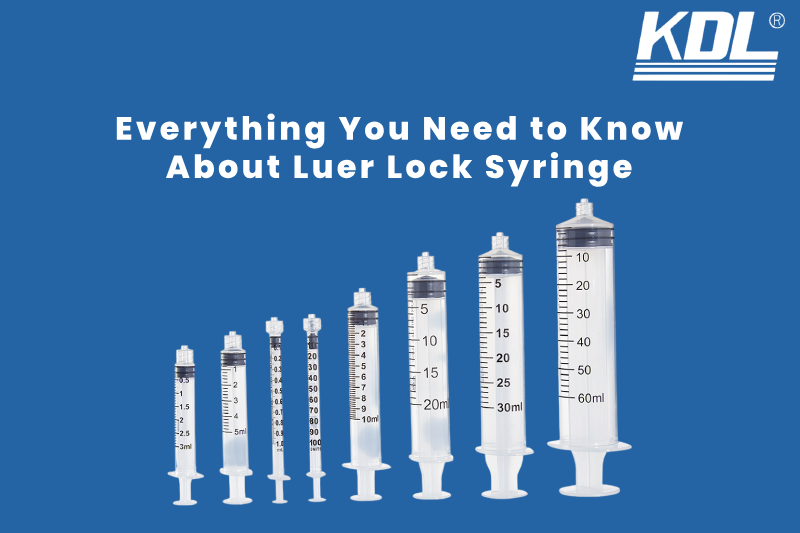
Medical tools might seem simple, but the way they’re designed is really important. One small change in shape can improve safety, accuracy, and comfort. A Luer Lock Syringe is a great example. It looks like a normal syringe at first glance, yet it works very differently.
In hospitals, labs, dental clinics, and even home care, this type of syringe is widely used because it prevents leaks and keeps the needle secure.
This complete guide explains what a Luer Lock syringe is, how it works, its benefits, and common uses in easy language.
What Is a Luer Lock Syringe?
A Luer Lock syringe is a syringe that has a twist-and-lock tip instead of a simple push-fit tip.
Instead of pushing the needle onto the syringe, you twist the needle clockwise. The needle locks into place and cannot come off easily.
Simple Definition
A Luer Lock syringe is a medical syringe designed with a threaded tip that securely locks the needle in place to prevent leakage or accidental removal.
This locking system creates a tight seal. That means:
- No medicine leakage
- No needle slipping
- Safer injection
Main Parts of a Luer Lock Syringe
To understand how it works, let’s look at its basic parts.
1. Barrel : The clear tube that holds the liquid medicine. It has measurement markings.
2. Plunger : The rod that you push or pull to draw or inject fluid.
3. Luer Lock Tip (Threaded Tip) : The special end where the needle screws on securely.
4. Needle (Detachable) : Attached by twisting instead of pushing.
How Does a Luer Lock Syringe Work?
The working principle is very simple.
- The needle hub has threads inside.
- The syringe tip has threads outside.
- You twist the needle onto the tip.
- The threads lock tightly.
Because of this lock, the needle cannot pop off even under pressure.
This is why doctors prefer it for high-pressure injections or thick medicines.
Benefits of Using a Luer Lock Syringe
Now let’s talk about why this Luer Lock syringes is so popular.
1. Secure Connection for Increased Safety
The unique twisting tip of a Luer Lock syringe locks tightly onto needles and other medical devices. This strong attachment prevents the needle from coming loose while in use. For healthcare professionals, this increased safety reduces accidents and improves overall medical safety.
2. Prevents Leaks and Spills
The syringe locks into place, forming a secure seal. This aids with leak prevention, particularly when administering medications, vaccines, or fluids during IV therapy. Less leaking leads to less waste and a better work environment in hospitals and laboratories.
3. Provides Accurate Dosage
Accuracy is very important in healthcare. A Luer Lock syringe helps deliver the exact amount of medication needed because the needle stays firmly attached. This improves accurate dosage and ensures patients receive the correct treatment every time.
4. Reduces Risk of Contamination
A tight locking system lowers the chance of outside germs entering the syringe. This is important for infection control in hospitals and laboratory use. By reducing contamination risks, the Luer Lock design supports safer patient care.
5. Works with Many Medical Devices
Luer Lock syringes are designed to fit many standard needles and connectors. This makes them useful in different settings like IV therapy, blood draws, and laboratory testing. Healthcare professionals value this versatility because it saves time and improves efficiency.
6. Handles High-Pressure Applications
Some medical procedures require strong pressure, such as flushing IV lines or delivering thicker medications. The Luer Lock system stays secure even under pressure. This makes it a trusted choice in emergency rooms, surgical centers, and specialty clinics.
7. Trusted by Healthcare Professionals Worldwide
Luer Lock syringes are often used in hospitals, clinics, and laboratories across the globe. For medical safety and professional healthcare settings, their sturdy design, secure connection, and reliable performance make them a top choice. Using a Luer Lock syringe demonstrates a dedication to excellent treatment and patient safety.
Common Uses of Luer Lock Syringes
1. IV therapy
The Luer Lock syringe is often used in IV therapy. Healthcare personnel use it to inject medication into an IV line or to flush the line with saline solution. The secure connection prevents leaks and holds the syringe securely in place during the process.
2. Vaccine Administration
Vaccines are often administered using Luer Lock syringes. The locking system ensures that the needle does not loosen during injection. This encourages accurate dosage and improves patient safety during immunizations.
3. Blood Draws and Sample Collection
Medical staff use Luer Lock syringes to collect blood samples for laboratory testing. A tight seal helps to prevent spills and contamination. This maintains the sample’s cleanliness and safety throughout testing.
4. Medication Injections
Doctors and nurses use Luer Lock syringes to deliver medications, including antibiotics and pain relief drugs. The secure connection ensures the full amount of medicine is delivered without leakage, supporting proper treatment.
5. Flushing IV Lines
Flushing IV lines helps keep them clear and working properly. Luer Lock syringes are ideal for this task because they can handle the pressure needed without disconnecting. This makes them dependable for daily hospital use.
6. Laboratory Use
Luer Lock syringes are used in laboratory settings to safely transfer fluids and chemicals. The leak prevention design protects lab personnel and promotes a clean working environment. This is critical for obtaining reliable research and testing outcomes.
7. Emergency and Critical Care Procedures
In emergency rooms and critical care units, timely and safe intervention is critical. Luer Lock syringes provide a robust, secure connection that remains in place even under pressure. Healthcare workers rely on them for emergency medical procedures.
Sizes Available in Luer Lock Syringes
Different treatments need different capacities.
| Size | Common Use |
|---|---|
| 1 ml | Insulin-type dosing, pediatrics |
| 2–3 ml | General injections |
| 5 ml | Medication delivery |
| 10 ml | IV flushing |
| 20 ml | Feeding tubes |
| 50–60 ml | Irrigation and large fluid transfer |
Materials Used in Luer Lock Syringes
Most syringes are made from medical-grade materials.
Polypropylene Plastic
- Lightweight
- Transparent
- Disposable
Rubber Plunger Seal
- Prevents leakage
- Smooth movement
Stainless Steel Needle
- Sharp and sterile
Are Luer Lock Syringes Reusable?
Short answer: No, disposable ones should not be reused.
Reusing can cause:
- Infection
- Cross contamination
- Needle dullness
- Wrong dosing
However, special industrial or lab-grade syringes may be reusable after sterilization.
Safety Tips When Using Luer Lock Syringes
- Never reuse needles
- Do not over-tighten (may damage threads)
- Always check expiry date
- Keep sterile until use
- Dispose immediately after injection
When Should You Choose a Luer Lock Syringe?
Choose it when you need:
- Secure connection
- No leakage
- High pressure injection
- Thick medication delivery
- IV procedures
Avoid using simple push-fit syringes in these situations.
Advantages and Disadvantages
Advantages
- Very safe
- Accurate dosing
- No leakage
- Professional medical use
- Strong connection
Disadvantages
- Slightly slower to attach
- Usually costlier than slip type
- Requires twisting effort
But overall, benefits are much greater.
Final Thoughts
A Luer Lock syringe might seem like a tiny upgrade, but it really boosts safety and reliability. The twist-lock design stops leaks, keeps the needle in place, and makes sure the patient gets the whole dose.
That’s why you’ll find it being used a lot in hospitals, labs, dental offices, vet clinics, and even for home care.
If you need to inject something with pressure, precision, or sterility, a Luer Lock syringe is typically the way to go.
Getting to know the right type of syringe can really help prevent mix-ups and make patient care better. A well-designed simple tool can really change the game.