 +86-791-8686-1216


Choosing the right hypodermic needle is a small decision that makes a big difference in daily veterinary work. From routine vaccines to fluid therapy and medication delivery, needles play a role in almost every clinical task. One option you may see often in supply catalogs is aluminum hub veterinary hypodermic needles.
If you have ever wondered what sets these needles apart, when to use them, and why many vets still rely on them, this guide is for you. We will break everything down in clear, simple language so you can make confident choices for your practice.
What Are Aluminum Hub Hypodermic Needles?
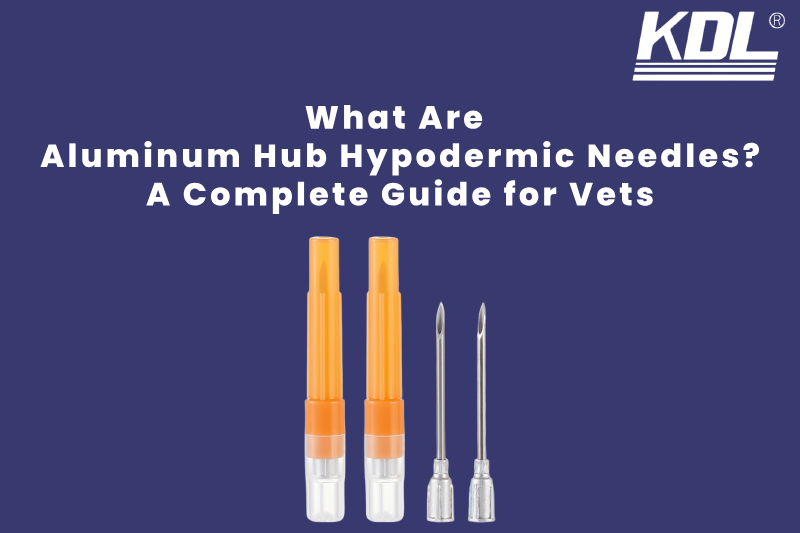
Aluminum hub veterinary hypodermic needles are sterile needles designed for animal use that feature an aluminum hub, which connects the needle shaft to the syringe.
The hub is the base of the needle. It is the part you attach to the syringe tip. While many modern needles use plastic hubs, aluminum hub needles have been trusted in veterinary medicine for decades.
Important Parts of the Needle
There are three main components to each aluminum hub veterinary hypodermic needle:
- Needle shaft: the long, thin metal tube that goes into the animal’s body.
- Bevel: the curved edge that makes it easier for the needle to slide into the tissue.
- Aluminum hub: the metal base that the syringe locks onto.
Each part is designed to help with safe, accurate fluid delivery and shots.
Why Aluminum Hubs Matter in Veterinary Practice
The hub may look like a small detail, but it affects performance more than many people realize.
1. Stability and Strength
Aluminum hubs are known to feel strong and sturdy. During use, especially when working with big animals or thick solutions, they are less likely to bend, crack, or come apart.
Aluminum hub veterinary needles are therefore frequently used in:
- Working with big animals
- Farms and fields
- Injections at a high pressure
2. Secure Syringe Connection
Aluminum hubs make a strong link with the needle. This helps lower
- Drips
- Wobbling
- Accidental needle detachment
When giving medication or fluids, that secure fit builds confidence and control.
Plastic Hub vs Aluminum Hub Hypodermic Needles
Lots of vets wonder whether aluminum hub needles are actually better than the plastic ones. It really depends on the situation, you know?
Aluminum Hub Needles
Advantages:
- Sturdy and long-lasting
- Staying steady during injections
- There’s a long history of it being used reliably.
Drawbacks:
- A bit on the heavier side
- It typically costs a little extra.
Plastic hub needles
Benefits:
- Light as a feather
- Usually more affordable
- Easy to use and throw away
Drawbacks:
- It can get a bit loose when there’s pressure.
- It’s more likely to break under tough conditions.
It’s pretty common for clinics that work with all sorts of animals to have both options available.
Common Uses of Aluminum Hub Hypodermic Needles
Aluminum hub veterinary hypodermic needles are versatile and suitable for many procedures.
1. Vaccinations
Numerous veterinarians favor aluminum hub needles for vaccinations due to their consistent control. This contributes to ensuring:
- Precise administration of dosage
- Seamless integration
- Minimize movement during the injection process.
2. Administration of Medication
The robust design of the aluminum hub ensures a secure seal between the needle and syringe, particularly for thicker medications or oil-based solutions.
3. Intravenous Fluid Administration
In the administration of fluids, particularly in substantial volumes, aluminum hub needles ensure reliable performance while minimizing the risk of leakage.
4. Procedures for Large Animals
In cattle, horses, and other large animals, the durability of needles is essential. Aluminum hubs are more effective in managing movement and pressure in these environments.
Understanding Needle Gauge and Length
Choosing the right aluminum hub veterinary hypodermic needle means understanding gauge and length.
What Is Needle Gauge?
Gauge is all about the thickness of the needle.
- A higher gauge number means a thinner needle.
- A lower gauge number means you have a thicker needle.
Here are some common veterinary needle gauges:
- 18 gauge – For thick fluids and larger animals.
- 20 gauge – For everyday use
- 22 gauge – Perfect for smaller animals and thinner medications.
- 25 gauge – Perfect for tiny animals or gentle injections.
Needle Length Explained
The length of the needle really influences how deep the medication gets.
Here are some typical lengths:
- ½ inch
- ¾ inch
- 1 inch
- 1½ inch
So, when it comes to larger animals, they typically require longer needles, whereas for cats and small dogs, shorter ones are the way to go.
How Aluminum Hub Hypodermic Needles Improve Injection Control
Getting injection control right is important for keeping things safe and comfortable.
Less Needle Flex
Aluminum hubs give a little extra support right at the base of the needle. This helps minimize flexing, particularly when you’re inserting at an angle.
Better Handling
Lots of vets say that aluminum hub needles have a nice, balanced feel when you hold them. That balance is really helpful when:
- Quick injections
- Repeated dosing
- Procedures requiring precision
Sterility and Safety Standards
Like all veterinary hypodermic needles, aluminum hub needles are:
- Sterile
- Single-use
- Individually packaged
Why Single-Use Matters
Reusing needles increases the risk of:
- Infection
- Dull tips
- Tissue damage
Using a new aluminum hub veterinary needle for each injection protects both animals and staff.
Comfort for Animals: Do Aluminum Hub Hypodermic Needles Hurt More?
The hub material does not affect pain. Comfort depends more on:
- Needle gauge
- Sharpness of the bevel
- Injection technique
A sharp, properly sized aluminum hub needle can be just as comfortable as any plastic hub option.
Tips to Reduce Discomfort
- Use the smallest gauge that works for the medication
- Change needles often
- Insert quickly and smoothly
Storage and Handling Tips
Proper storage keeps aluminum hub veterinary hypodermic needles safe and ready to use.
Best Storage Practices
- Keep in original packaging
- Store in a cool, dry place
- Avoid crushing or bending boxes
Handling Before Use
- Inspect packaging for damage
- Check expiration dates
- Never touch the needle tip
Environmental Considerations
Aluminum hubs are made from metal, and you can recycle them in a bunch of places. But hey, you still gotta toss those veterinary needles like you would with any medical sharps.
Getting rid of stuff the right way
Make sure to put used aluminum hub needles in:
- Approved sharps containers!
- Disposal units that are easy to spot
This keeps the team, waste handlers, and the planet safe.
Cost Considerations for Veterinary Clinics
Aluminum hub veterinary hypodermic needles often cost slightly more than plastic hub needles, but many clinics see value in:
- Fewer failures
- Better handling
- Reliable performance
For high-volume or large animal practices, durability can offset the higher price.
When Should You Choose Aluminum Hub Hypodermic Needles?
Aluminum hub needles are a smart choice when:
- Working with large or strong animals
- Injecting thicker medications
- Needing extra stability
- Performing field work
They may not be necessary for every task, but they shine in demanding situations.
How to Choose the Right Aluminum Hub Hypodermic Needles
When selecting needles, consider:
- Animal size
- Injection type
- Medication thickness
- Personal handling preference
Keeping a variety of gauges and lengths ensures you are ready for any case.
The Role of Aluminum Hub Hypodermic Needles in Modern Veterinary Medicine
Even with new materials and designs, aluminum hub veterinary hypodermic needles remain relevant. Their reliability, strength, and control keep them in regular use across many types of practices.
From small clinics to large animal operations, they continue to meet everyday needs without complication.
Final Thoughts
Aluminum hub veterinary hypodermic needles are a trusted tool that has stood the test of time. They offer strength, stability, and dependable performance for a wide range of veterinary procedures.
By understanding how they work, when to use them, and how to choose the right size, vets and technicians can improve efficiency and confidence in daily care. Whether you use them every day or keep them on hand for specific tasks, aluminum hub needles remain a valuable part of veterinary medicine.