 +86-791-8686-1216


Syringes with needles are straightforward instruments, yet they hold significant importance in healthcare, beauty, research, and even home care. From administering life-saving vaccines to overseeing diabetes management at home, these tools ensure that medicine is delivered with precision and care.
If you seek information regarding syringes with needle, whether for medical purposes, laboratory tasks, or personal care, this guide will provide you with all the essential details you require. We will explore the various types, sizes, and uses, along with essential safety tips and guidance on selecting the right syringe with needle for your specific requirements.
What Are Syringes With Needles?
A syringe with needle is a medical device use to inject or withdraw fluids from the body. It has two main parts:
- The syringe barrel : This holds the liquid.
- The needle : This is the thin, sharp metal tube that enters the skin.
Most disposable syringes with needle are made for single use. They come in different sizes and needle gauges depending on the purpose.
Main Uses of Syringes With Needle
Syringes with needle are used in many settings. Below are the most common uses.
Main Uses of Syringes With Needles
1. Medical Injections
Doctors and nurses use sterilized syringe with needles for:
- Vaccinations
- Antibiotic injections
- Pain relieving drugs
- Emergency therapies
Hospitals often utilize single-use disposable syringes with needle to avoid infection.
2. Diabetes Management
Diabetics regularly inject insulin into syringes with needle. These syringes are small, easy to use, and designed for comfort.
Common features include :
- Ultra-fine needles.
- Clear unit markings.
- Small barrel sizes.
3. Laboratory and Research Use
In labs, syringes with needle are used to :
- Transfer liquids.
- Collect samples.
- Measure small amounts of chemicals.
Precision is key here. Many labs choose luer lock syringes with needle for a secure connection.
4. Veterinary Care
For all sizes of animals, veterinarians use syringes with needles. Depending on the type of treatment and the size of the animal, the needle size and length vary.
5. Cosmetic and Aesthetic Procedures
Professionals use sterile syringes with needles in cosmetic clinics for :
- Dermal fillers.
- Botox treatments.
- Vitamin injections.
In these cases, accuracy and hygiene are extremely important.
Types of Syringes With Needles
There is no one-size-fits-all syringe. Different needs require different types.
Disposable Syringes With Needles
These are designed for one-time use. After use, they must be safely discarded.
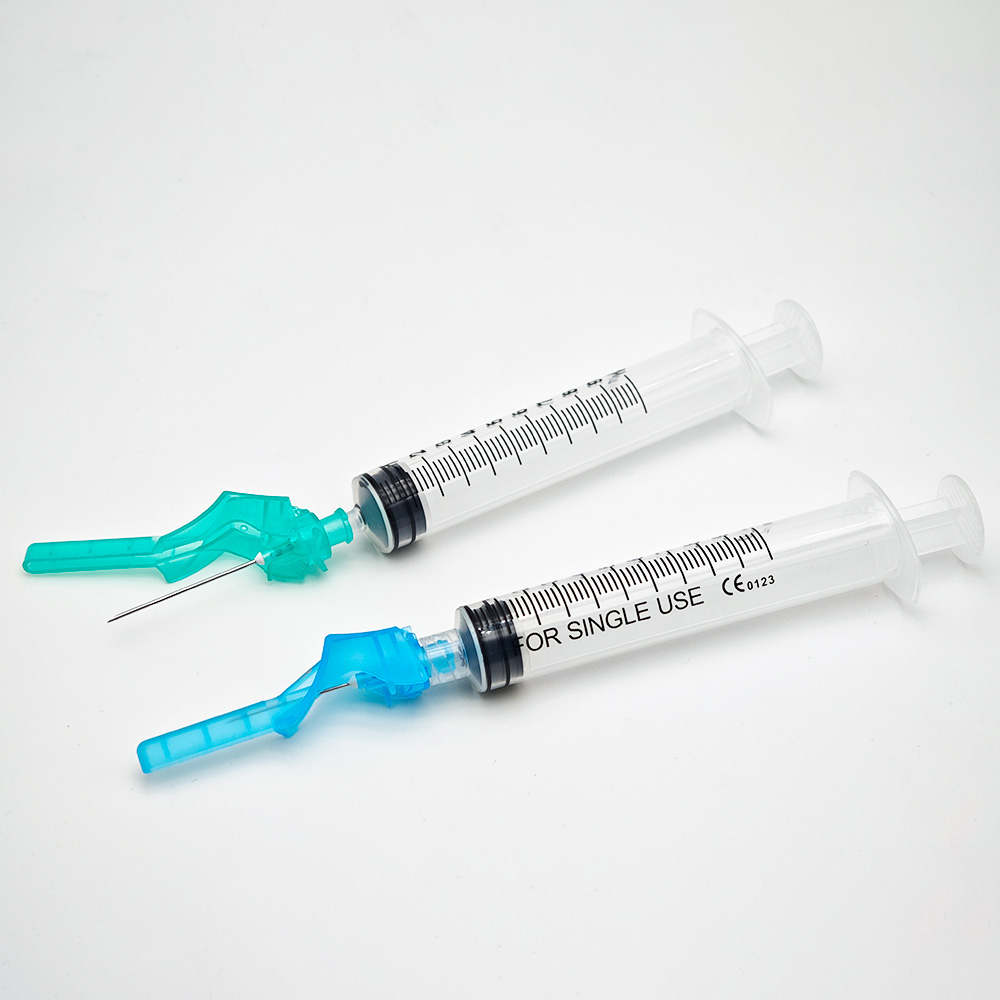
Benefits:
- Reduce risk of infection
- Pre-sterilized
- Easy to use
Most hospitals and clinics prefer disposable sterile syringes with needles.
Luer Lock Syringes With Needles
These syringes have a twist-on mechanism that locks the needle in place.
Benefits:
- Secure connection
- Prevents leaks
- Ideal for high-pressure injections
They are often used in hospitals and laboratories.
Insulin Syringes With Needles
These are specially designed for insulin injections.
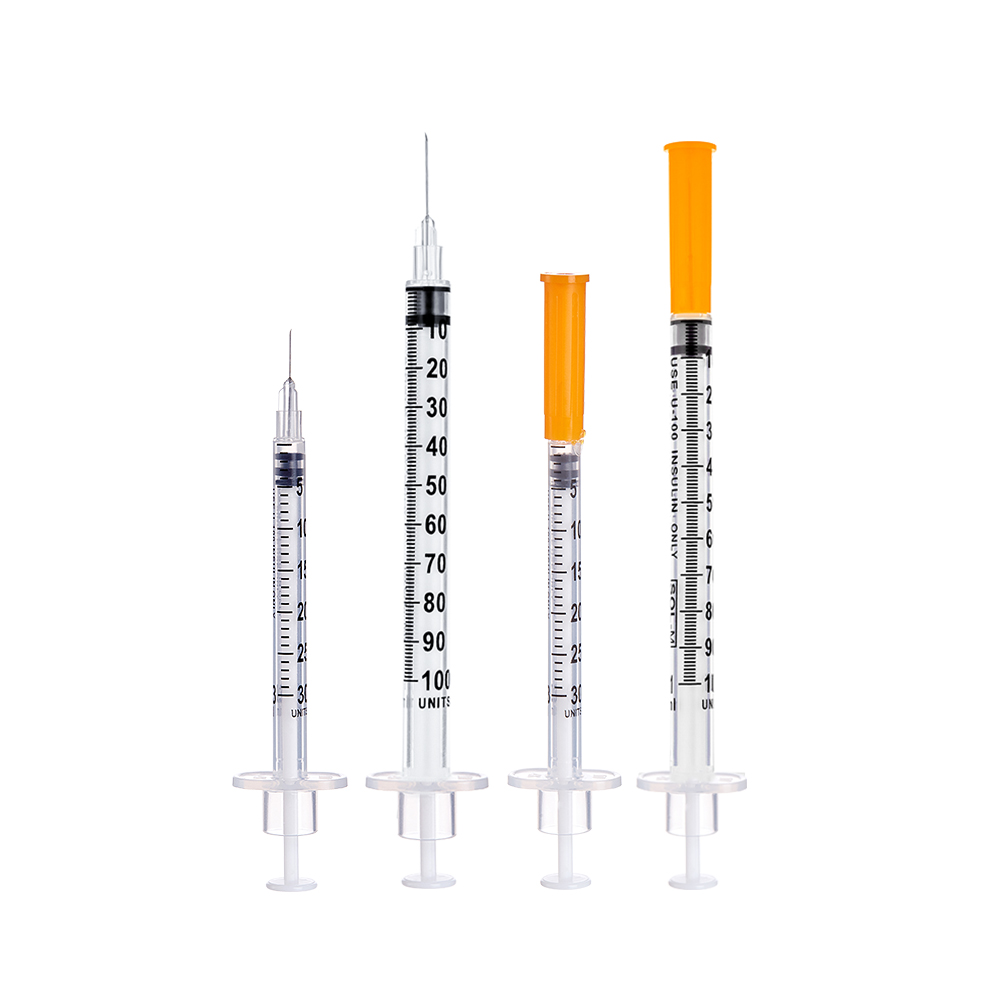
Features:
- Small (0.3, 0.5, or 1 ml) barrel size
- Fine needles gauge
- Reduced needle length
That reduces everyday injection discomfort.
Safety Syringes With Needles
Safety syringes are designed to prevent needle-stick injuries.
Features:
- Retractable needles
- Protective shields
These are commonly used in hospitals to protect healthcare workers.
Understanding Needle Size and Gauge
When buying syringes with needle, you will see numbers like 18G, 22G, or 25G. These refer to the needle gauge.
Here’s what you need to know:
- Higher gauge number = thinner needle
- Lower gauge number = thicker needle
For example:
- 18G is thick
- 25G is thin
Thinner needles are often used for insulin and vaccines because they cause less discomfort.
Needle Length
Needle length also matters. Common lengths include:
- ½ inch
- 1 inch
- 1.5 inches
Shorter needles are often used for subcutaneous injections. Longer needles are used for intramuscular injections.
Choosing the right needle length and gauge is important for both comfort and effectiveness.
How to Choose the Right Syringe With Needle
If you are buying syringes with needles online or from a medical supply store, consider these factors:
1. Purpose of Use
Ask yourself:
- Is this for insulin?
- Is it for intramuscular injection?
- Is it for lab work?
Each use requires a different type.
2. Sterility
Always choose sterile syringes with needles for medical use. Check that the packaging is sealed and undamaged.
3. Capacity of Volume
Syringes come in different sizes:
- 1 ml
- 3 ml
- 5 ml
- 10 ml
- 20 ml
For insulin, smaller sizes are common. For drawing fluids, larger sizes may be needed.
4. Needle Gauge and Length
Match the needle to the type of injection. If unsure, consult a healthcare professional before purchasing.
Safe Handling of Syringes With Needles
Safety should always come first.
Wash Hands Before Use
Clean hands reduce the risk of infection.
Use Only Once
Most disposable syringes with needles are for single use only. Reusing them can cause:
- Infection
- Dull needles
- Tissue damage
Do Not Share Syringes
Sharing syringes can spread serious diseases. Never share, even with close family members.
Proper Disposal
Used syringes should be placed in a sharps container. If you do not have one:
- Use a thick plastic container with a secure lid
- Label it clearly
- Follow local disposal guidelines
Never throw loose needles in the trash.
Buying Syringes With Needles
Many people search for:
- Buy syringes with needles online
- Affordable sterile syringes with needles
- Bulk syringes with needles for medical supply
When buying online, make sure:
- The seller is licensed
- The products are sealed and sterile
- The sizes are clearly listed
- Reviews are positive
Also, check your local laws. Some places require a prescription to purchase certain types of syringes.
Why You Should Use High-Quality Syringes with Needles
Picking out high-quality products really can change the game.
Reduced Discomfort
Using ultra-fine needles makes the injection process a lot more comfortable.
Improved Precision
Having clear markings makes it easier to measure the right dose.
Lower chance of getting an infection
Using sterile, single-use syringes really helps to reduce the risk of contamination.
Better Safety
Safety-engineered syringes are design to help prevent needle-stick injuries.
Storage Tips for Syringes With Needles
Proper storage keeps them safe and sterile.
- Store in a cool, dry place
- Keep in original packaging
- Avoid direct sunlight
- Keep out of reach of children
Never use a syringe if the packaging is damage.
Environmental Concerns and Disposal
Improper disposal of syringes with needles can harm people and the environment.
Community programs often offer:
- Sharps disposal drop-off sites
- Mail-back disposal services
- Pharmacy take-back programs
Check your local health department website for options near you.
Final Thoughts
Syringes with needles might be small, but they sure have an important job to do.People use them daily in hospitals, clinics, homes, and labs. It’s really important to pick the right type, size, and needle gauge for both safety and comfort.
If you’re in the market for disposable sterile syringes with needles, insulin syringes for diabetes care, or even bulk medical syringes for professional use, it’s super important to prioritize quality and safe handling.
Make sure to use them the right way. Make sure to get rid of them in a safe way. If you’re ever unsure, just reach out to a healthcare professional for some advice.
If you get a good grasp on how syringes with needles function and how to pick the right ones, you’ll be able to use them safely and effectively every time.