 +86-791-8686-1216


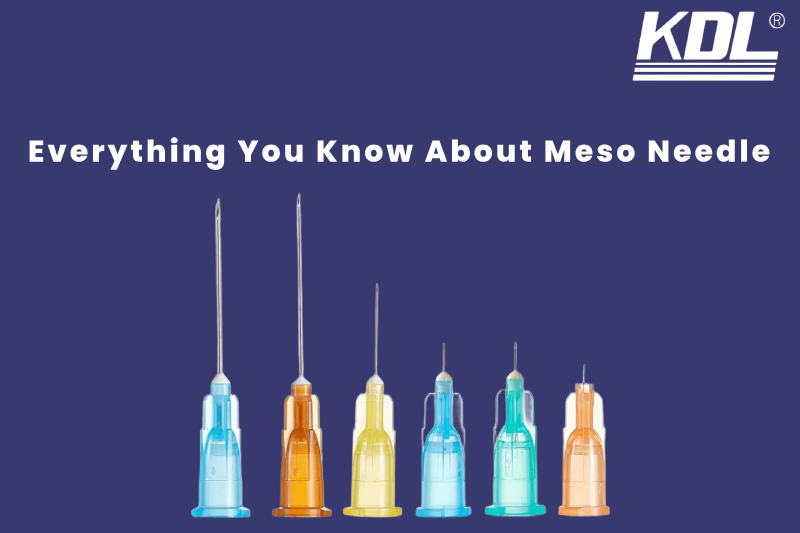
Meso needles are small tools that are very important in current skincare and beauty treatments. If you know about mesotherapy, microneedling, or skin boosters, you probably know that a meso needle was used. This guide explains everything in an easy way. You’ll learn what a meso needle is, how to use it, what the different sizes mean, and how to stay safe.
This post will help you understand meso needles, no matter if you’re a skincare pro, a student, or just someone who’s interested in cosmetic treatments.
What Is a Meso Needle?
A meso needle is a fine, short needle utilized for the precise injection of small volumes of solution into the upper layers of the skin. This method is commonly utilized in mesotherapy treatments, where vitamins, minerals, hyaluronic acid, and other skin-friendly ingredients are administered just beneath the skin.
Meso needles differ from standard medical needles in the following ways:
- Significantly reduced in thickness
- Reduced in size
- Engineered for shallow injections
These are well-suited for applications in cosmetic and dermatological fields.
Why Are Meso Needles Thin?
Meso needles are made to inflict minimal pain and skin damage. Their thinness helps:
- Lower your pain.
- Less risk of bleeding
- Make the patient more comfortable.
- Let goods be delivered exactly where they need to go.
Because of this, mesotherapy is often called a gentle treatment.
Common Uses of a Meso Needle
Meso needles are commonly used in both medical aesthetics and cosmetic skincare. The most popular uses are listed below.
Facial Rejuvenation and Skin Boosting
Meso needles are widely used to inject skin boosters that:
- Improve hydration
- Smooth fine lines
- Enhance skin glow
- Support collagen production
These treatments are common on the face, neck, and decolletage.
Hair Loss Treatments
For people dealing with thinning hair, meso needles are used to deliver:
- Hair growth vitamins
- Peptides
- PRP (platelet-rich plasma)
The shallow injection helps stimulate hair follicles without deep skin trauma.
Fat Dissolving Treatments
Some mesotherapy treatments target small fat pockets, like:
- Chin fat
- Love handles
- Inner thighs
The meso needle allows precise placement of fat-dissolving solutions.
Medical and Therapeutic Uses
In some settings, meso needles are also used for:
- Localized pain relief
- Sports medicine injections
- Dermatology treatments
Benefits of Using a Meso Needle
Compared to standard needles or deeper shots, using a meso needle has a number of benefits.
Less Pain and Discomfort
Patients usually feel because meso needles are thin and short:
- Mild pressure
- Light stinging
- Very little pain
A lot of methods don’t even need numbing cream.
Precise Product Delivery
A meso needle puts the product in the right spot. This is useful:
- Improve treatment results
- Reduce product waste
- Lower risk of side effects
Faster Recovery Time
Most people go through
- Mild redness
- Slight swelling
These affects go away after a few hours or a day.
Improved patient care
Because meso needles are so soft, they often result in
- Less anxiety
- Higher treatment satisfaction
- Better compliance with treatment plans
Meso Needle Sizes Explained
Choosing the right meso needle size is very important. Size affects comfort, safety, and results.
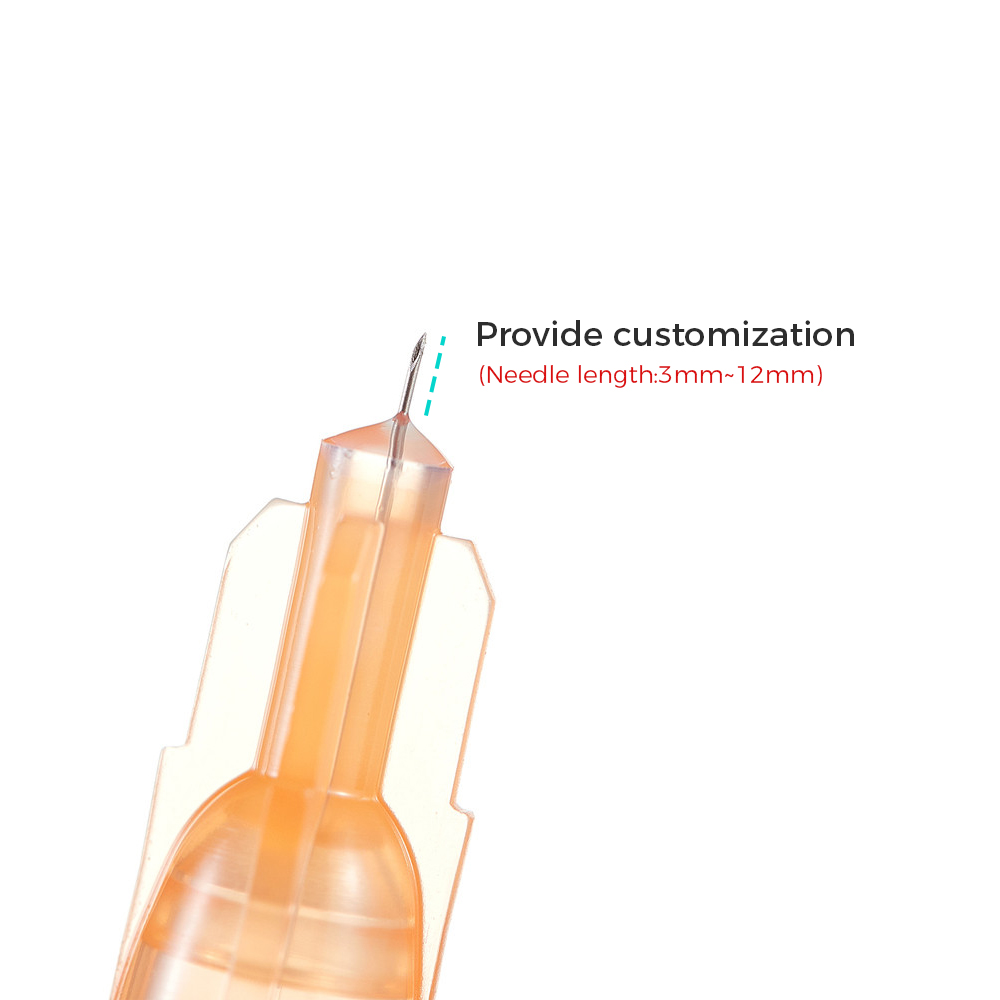
Meso needle size is usually described by gauge and length.
Understanding Gauge Size
The gauge tells you how thin the needle is:
- Higher gauge = thinner needle
- Lower gauge = thicker needle
Common meso needle gauges include:
- 30G
- 31G
- 32G
- 33G
Most cosmetic treatments use 30G to 33G needles.
Understanding Needle Length
Needle length is measured in millimeters (mm). Common lengths include:
- 4 mm
- 6 mm
- 8 mm
- 12 mm
Shorter needles are used for very shallow injections.
Common Meso Needle Size Chart
| Gauge | Length | Common Use |
|---|---|---|
| 30G | 4–6 mm | Skin boosters, face |
| 31G | 6–8 mm | Hair treatments |
| 32G | 4 mm | Fine lines, eyes |
| 33G | 4 mm | Sensitive areas |
Choosing the right size depends on:
- Treatment area
- Skin thickness
- Product being injected
- Practitioner skill
How to Use Meso Needles for Treatment
Knowing the basic steps helps explain why skill and safety are important.
Step 1: Skin Preparation
- Cleansed
- Disinfected
- Sometimes numbed
- Numbed at times
It’s less likely that you’ll get an illness if your skin is clean.
Step 2: Loading the Product
A syringe with a meso needle on it is used to pull the treatment fluid inside.
Step 3: Injection Technique
The professional injects small amounts:
- At a shallow depth
- In a design of dots or a grid
- With pressure that can be controlled
This ensures that we cover all areas.
Step 4: Looking After Them
The area could be
- Chilled
- Soothing items are use to protect
Aftercare directions are given to patients.
Safety Guidelines for Meso Needle Use
Safety is critical when using any needle, even a small one like a meso needle.
Single-Use Only
Meso needles are single-use medical devices. Reusing a needle can cause:
- Infection
- Skin damage
- Dull needle pain
Always use a new, sterile needle for each patient.
Proper Sterilization
Before treatment:
- Hands must be washed
- Gloves should be worn
- Skin must be disinfected
Needles should come in sealed packaging.
Correct Injection Depth
Injecting too deep can:
- Cause bruising
- Damage blood vessels
- Increase pain
Meso needles target only the superficial skin layers.
Training and Skill Matter
Only trained professionals should use meso needles. Proper training helps avoid:
- Uneven results
- Skin injury
- Poor outcomes
In many countries, health authorities such as the U.S. Food and Drug Administration regulate cosmetic injections.
Possible Side Effects and Risks
Meso needle treatments are generally safe, but mild side effects can occur.
Common Side Effects
These are usually short-term:
- Redness
- Swelling
- Tiny bumps
- Mild tenderness
They often disappear within 24–48 hours.
Rare but Serious Risks
When done incorrectly, risks may include:
- Infection
- Allergic reaction
- Bruising
- Uneven texture
This is why professional handling is so important.
Who Should Avoid Meso Needle Treatments?
Meso needle treatments may not be suitable for everyone.
People Who Should Be Cautious
- Pregnant or breastfeeding individuals
- People with active skin infections
- Those with bleeding disorders
- Individuals allergic to injected products
We always recommend a full consultation.
Meso Needle vs Other Cosmetic Needles
You may wonder how a meso needle compares to other needles used in aesthetics.
Meso Needle vs Insulin Needle
- Meso needles are design for skin layers
- Manufacturers make insulin needles for deeper injections.
- Meso needles are often thinner and shorter
Meso Needle vs Cannula
- Cannulas are blunt and flexible
- Meso needles are sharp and precise
- Cannulas are use for fillers, not mesotherapy
Each tool has a specific purpose.
Factor to Consider Choosing the Right Meso Needle
When selecting a meso needle, consider:
- Treatment goal
- Injection area
- Patient comfort
- Product thickness
High-quality needles are:
- Ultra-sharp
- Sterile
- Smoothly coated
Never compromise on quality.
Aftercare Tips for Patients
Good aftercare helps improve results and reduce side effects.
What to Do After Treatment
- Keep the area clean
- Avoid makeup for 24 hours
- Stay out of the sun
- Drink plenty of water
What to Avoid
- Touching or rubbing the area
- Heavy exercise for 24 hours
- Saunas or hot baths
Following these steps supports healing.
Final Thoughts
Despite being small, a meso needle is very important in modern skincare and aesthetic treatment. It is ideal for mesotherapy, skin boosting, and hair treatments due to its thin form, short depth, and exact delivery.
When used correctly, meso needles offer:
- Little pain
- Quick recovery
- Results that work
Key factors are proper training, correct size, and strict safety rules. Knowing about the meso needles beauty process helps you make smart and confident decisions about whether to get the treatment or not.