 +86-791-8686-1216


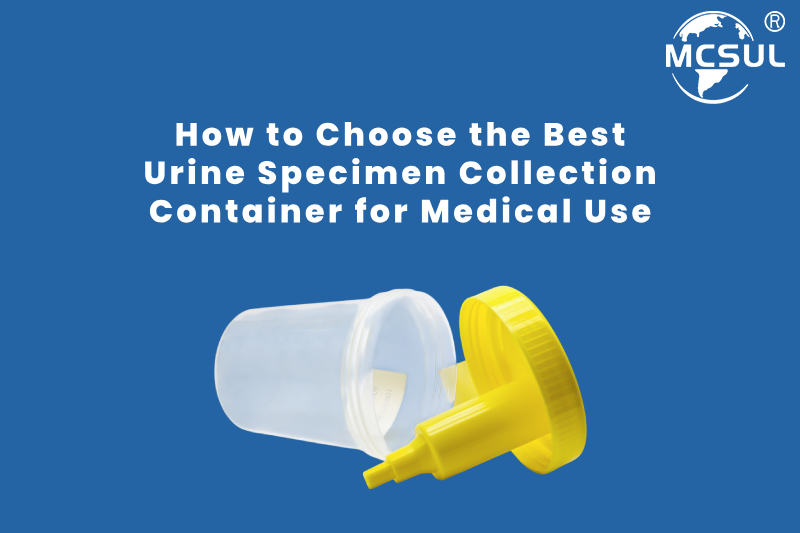
Quick Overview : Choosing the right urine specimen collection container is essential for ensuring accurate diagnostic results, preventing contamination, and maintaining patient safety. Key factors include sterility, material quality, leak-proof design, capacity, and compliance with medical standards such as ISO certifications. Healthcare providers and laboratories must select containers based on specific testing requirements, ensuring compatibility with diagnostic procedures and safe sample handling.
Introduction
Choosing the right urine specimen collection container may seem simple. But in medical settings, it plays a big role in accurate test results, patient safety, and workflow efficiency. The wrong urine collection container can lead to contamination, leaks, or even invalid lab reports.
This article will guide you how to choose the best urine collection container for your needs. If you are in charge of a clinic, hospital lab, or diagnostic center, these tips will help you make a choice.
What Is a Urine Specimen Collection Container?
A urine specimen collection container is a medical-grade container used to collect, store, and transport urine samples for diagnostic testing. These containers are designed to keep the sample clean, prevent leaks, and maintain sample quality until testing.
Why Choosing the Right Urine Collection Container Matter
The container you choose directly affects:-
- Test accuracy : prevents contamination
- Sample safety : avoids leaks or spills
- Compliance : meets medical standards
- Ease of use : helps patients and staff collect samples correctly
Using the wrong container can lead to rejected samples or false results.
Types of Urine Specimen Collection Container
Not all containers are the same. Each type is designed for specific uses.
1. Sterile Urine Collection Containers
These are the most common in medical settings.
Best for:-
- Routine urine test
- Culture and sensitivity test
They are pre-sterilized to prevent bacterial contamination. Always choose sterile containers for diagnostic purposes.
2. Non-Sterile Containers
These are used for general collection where strict sterility is not required.
Best for:
- Home sample collection
- Basic screenings
They are more affordable but not suitable for sensitive lab tests.
3. 24-Hour Urine Collection Containers
These are larger containers used to collect urine over a full day.
Best for:
- Hormone testing
- Kidney function analysis
They often come with preservatives to keep the sample stable.
4. Pediatric Urine Collection Bags
Designed for infants and young children.
Best for:
- Babies and toddlers
They are soft, adhesive, and easy to use without causing discomfort.
What are the key features to look for in a urine specimen collection container?
When choosing a medical urine collection container focus on these important features.
1. Leak-Proof Design
A secure lid is critical. It prevents spills during transport and handling.
Look for:
- Screw caps with tight seals
- Snap-on lids with locking features
Leak-proof containers protect both the sample and healthcare workers.
2. Sterility and Hygiene
For lab testing, sterility is a must.
Choose containers that are:
- Individually packed
- Pre-sterilized
- Tamper-evident
This ensures the sample remains uncontaminated.
3. Material Quality
Most containers are made of plastic, but quality matters.
Common materials:
- Polypropylene (PP)
- Polystyrene (PS)
Polypropylene is preferred because it is strong, chemical-resistant, and less likely to crack.
4. Volume Capacity
Different tests require different sample sizes.
Typical sizes include:
- 30 ml
- 60 ml
- 100 ml
- 120 ml
Choose the right size based on the test requirements to avoid overfilling or under-collection.
5. Easy-to-Read Measurement Markings
Graduated markings help in measuring urine volume accurately.
This is especially important for:
- Timed urine tests
- Monitoring output
Clear markings reduce errors in sample handling.
6. Labeling Area
A good container should have space for patient details.
Look for:
- Writable surfaces
- Label-friendly design
Proper labeling prevents mix-ups in busy labs.
What Factors Should Be Considered Before Buying a Urine Specimen Collection Container?
Beyond features, you should also think about how the container fits into your workflow.
Type of Medical Facility
A hospital may need bulk sterile Urine containers, while a small clinic may need a mix of types.
Ask yourself:
- How many samples do we collect daily?
- What types of tests are most common?
Compliance with Medical Standards
Always choose containers that meet healthcare regulations.
Check for:
- ISO certification
- CE marking
- Local health authority approvals
This ensures safety and reliability.
Cost vs Quality
While budget matters, cheaper options may compromise quality.
Balance:-
- Durability
- Sterility
- Price
Investing in better containers reduces long-term costs from errors or repeat tests.
Ease of Use for Patients
Patients often collect samples themselves.
Choose containers that are:
- Easy to open and close
- Wide-mouthed for convenience
- Clearly labeled with instructions
This improves compliance and sample quality.
Tips for Using Urine Collection Containers
Using even the best container the wrong way won’t do you any good.
Collecting Samples the Right Way
- Make sure to use a clean-catch method when needed
- Try not to touch the inside of the container
- Make sure to close the lid tightly after you’re done collecting
Storing and Moving Things Around
- Make sure to keep the samples at the suggested temperatures
- Let’s get to the lab quickly
- Make sure to grab biohazard bags when you need them
Steering Clear of Contamination
- Make sure to use sterile containers for your lab tests
- It’s best not to reuse containers
- Make sure to stick to hygiene protocols
Common Mistakes to Avoid When Using Urine Specimen Collection Container
Picking the wrong container or using one that doesn’t quite fit can really cause some issues.
Using non-sterile containers for lab tests
This might bring in bacteria and impact the results.
Overlooking leak-proof features
Spills can lead to contamination and pose safety risks.
Incorrect Container Size
Using containers that are either too small or too large can really impact how you handle samples.
Poor labeling
When samples are unlabeled or mislabeled, it can really cause some big mistakes.
Top Global Urine Specimen Collection Container Manufacturers
| Manufacturer Name | Key Features |
|---|---|
| KDLNC (Kindly (KDL) Meditech) | High-quality specimen containers, OEM/ODM support, sterile & non-sterile options, global export focus |
| Thermo Fisher Scientific | Advanced lab-grade containers, precision design, strong R&D |
| Becton, Dickinson and Company | Innovative specimen collection systems, high safety standards |
| Cardinal Health | Wide range of clinical containers, strong supply chain |
| Sarstedt AG & Co. KG | Premium specimen containers, high sterility standards |
How to Choose the Best Supplier
The supplier matters as much as the product.
Look for Experience
Choose suppliers who specialize in medical consumables.
Take a glance at the product range
A reliable supplier provides:
- Different types of containers
- Various sizes
- Custom option
Reliable Delivery
Getting supplies on time is super important for medical operations.
Final Thoughts
It’s not simply cost to choose the finest urine specimen collecting container, it’s about quality, safety and accuracy. Healthcare providers and labs may assure accurate test findings by concentrating on sterility, material, design and compliance. Manufacturers and suppliers of high-quality, compliant, and user-friendly containers are crucial in developing long-term trust and success in the medical business.