 +86-791-8686-1216


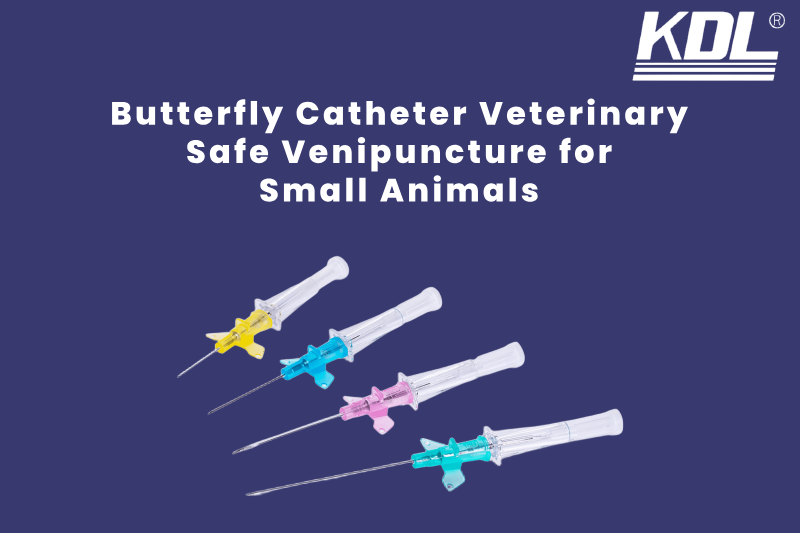
Venipuncture can be stressful for pets and for the people who care for them. Small veins, wiggly patients, and the need for quick results make every blood draw or IV start feel high‑stakes. That’s where the butterfly catheter veterinary option shines. Also called a winged infusion set, this tool helps teams get clean, safe access in small animals with less struggle.
This guide explains when and how to use a butterfly catheter for veterinary patients, why it works so well for cats and small dogs, and how to choose the right size. We’ll keep it simple, practical, and focused on safety.
What Is a Butterfly Catheter in Veterinary Medicine?
A butterfly catheter veterinary set is a small needle with flexible plastic “wings” and attached tubing. The wings give you control, while the tubing creates space between the needle and your hand. That space matters when working with tiny veins.
You may hear it called:
- Butterfly needle
- Winged infusion set (veterinary)
- Butterfly catheter for small animals
In practice, it’s used for venipuncture, short blood draws, and brief IV access in pets with delicate veins.
How It’s Different From a Standard Needle
A straight needle connects directly to a syringe or tube. A butterfly catheter has tubing between the needle and the collection device. This reduces vein movement and lowers the chance of blowing the vein.
For cats, puppies, and exotics, that extra control can be the difference between one clean stick and multiple tries.
Why Butterfly Catheters Are Safer for Small Animals
Small animals have small veins. That’s obvious, but it changes everything about technique.
1. Better Control During Venipuncture
The wings rest flat against the skin. You can anchor them with gentle finger pressure or tape. This helps keep the needle steady once you’re in the vein.
With a butterfly catheter veterinary setup, you don’t have to hover over the site. Less movement means less trauma.
2. Reduced Vein Collapse
The tubing allows blood to flow without pulling on the vein. When drawing blood from a cat or toy breed dog, this reduces collapse, especially in the cephalic vein.
3. Less Stress for the Patient
Quick access matters. Fewer pokes mean less fear. Many clinics find that butterfly catheter venipuncture leads to calmer cats and smoother appointments.
When to Use a Butterfly Catheter
Butterfly catheters are not for every situation, but they are perfect for many common tasks.
Ideal Uses
- Blood draws in cats and small dogs
- Fragile or rolling veins
- Puppies, kittens, and geriatric pets
- Short IV medication delivery
- Patients with low blood pressure
When to Choose Something Else
For long‑term IV therapy or high flow rates, a standard IV catheter is better. Butterfly iv catheters are best for short, controlled access.
Common Venipuncture Sites for Small Animals
Using the right site makes butterfly catheter use easier and safer.
1. Cephalic Vein
The cephalic vein is the most common choice.
Why it works:
- Easy to see and feel
- Comfortable position for cats
- Great for small gauge butterfly catheters
This site pairs well with a butterfly catheter for cats during routine blood work.
2. Lateral Saphenous Vein
Often used in dogs, especially when front legs are sensitive.
Tips:
- Good restraint is key
- A butterfly catheter helps reduce vein movement
3. Jugular Vein
- Jugular draws are fast and clean, but require skill.
- A butterfly catheter veterinary set can help when the vein is small or the patient is nervous. The tubing allows you to step back slightly, which can calm the pet.
Choosing the Right Butterfly Catheter Size
Size matters more than many people think.
Common Gauge Sizes
- 25 gauge: Kittens, very small cats, exotics
- 23 gauge: Most cats, small dogs
- 21 gauge: Medium dogs with small or fragile veins
Smaller gauge means a thinner needle. Thinner needles reduce trauma but may slow blood flow. Balance is key.
Length and Tubing
Short tubing is common for blood draws. Longer tubing can help when distance improves control. Choose what fits your workflow.
Step‑by‑Step: Safe Butterfly Catheter Venipuncture
This general outline supports safe technique. Always follow your clinic’s protocols.
1. Prepare Everything First
Have your tubes, syringe, alcohol, and tape ready. Once you stick, you want to finish smoothly.
2. Position and Restrain Gently
Calm restraint reduces vein movement. A relaxed pet has better blood flow.
3. Visualize the Vein
Clip if needed. Clean the site well. Let alcohol dry so the vein doesn’t slip.
4. Insert at a Low Angle
Butterfly catheters work best at a shallow angle. Watch for flash.
5. Stabilize the Wings
Once you’re in, rest the wings against the skin. This is where the butterfly catheter veterinary design really helps.
6. Draw Slowly
Pull back gently. Fast suction can collapse small veins.
7. Remove and Apply Pressure
Withdraw smoothly. Apply pressure for at least 30 seconds, longer for cats.
Tips for Using Butterfly Catheters in Cats
Cats deserve special mention. Their veins are small, and their patience is shorter.
- Keep It Quick: Have a plan before you touch the cat. Butterfly catheter venipuncture works best when done confidently.
- Warm the Limb: Warmth brings veins up. A warm towel can make a huge difference.
- Use the Smallest Effective Gauge: For most cats, a 23 or 25 gauge butterfly catheter for cats is ideal.
Preventing Common Problems
Even with good tools, issues happen. Here’s how to avoid the most common ones.
Blown Veins
- Use a smaller gauge
- Lower your insertion angle
- Reduce suction pressure
Hematomas
- Apply firm pressure after removal
- Avoid repeated sticks in the same site
Slow Blood Flow
- Reposition slightly
- Check for vein collapse
- Ensure the tubing isn’t kinked
Butterfly Catheter vs IV Catheter
It’s easy to confuse the two.
Butterfly Catheter
- Short‑term use
- Blood draws
- Quick injections
- Less invasive
IV Catheter
- Long‑term fluids
- Continuous medication
- Higher flow rates
Knowing the difference keeps patients safe and comfortable.
Training and Team Confidence
Tools are only as good as the hands using them.
Regular practice with butterfly catheter veterinary equipment builds confidence. Many clinics use training models or supervised practice to help new team members master venipuncture.
Confidence shows. Pets feel it, and procedures go smoother.
Cost and Supply Considerations
Butterfly catheters cost more than straight needles, but they often save time and reduce repeat attempts.
Fewer sticks mean:
- Less stress for pets
- Happier clients
- Better sample quality
For many practices, that trade‑off is worth it.
Final Thoughts: Small Tool, Big Difference
The butterfly catheter veterinary option is a simple tool with a big impact. For small animals, fragile veins, and nervous patients, it offers control, safety, and comfort.
Whether you’re drawing blood from a senior cat or starting a short IV in a tiny dog, a butterfly catheter can make the process smoother for everyone involved.
Used with care and good technique, it supports safe venipuncture and helps clinics deliver kinder, more efficient care one small wing at a time.
Key Takeaways
- Butterfly catheter veterinary sets offer enhanced control and stability for venipuncture procedures in small animals.
- They’re perfect for cats, small dogs, puppies, kittens, and anyone with delicate or rolling veins.
- Using the right gauge makes it easier on your veins and helps blood flow better.
- Butterfly catheters are great for quick blood draws and short IV access, but they’re not meant for long-term fluid therapy.
- Using the right technique, being gentle, and taking it slow really boost your chances of success.
- Fewer needle sticks mean less stress for pets and a smoother experience for veterinary teams.