 +86-791-8686-1216


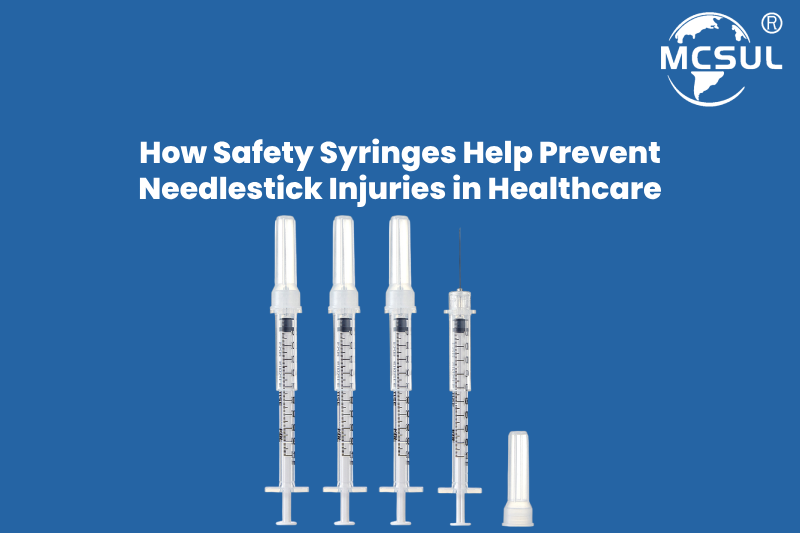
Needlestick injury prevention is a top priority in your hospital, clinic or laboratory. A single accidental needle stick can expose you to serious bloodborne infections. As a result, it creates stress for you and your employer. Fortunately, safety syringes and proper injection practices can lower these risks.
Safety syringes use built-in features to protect you during and after an injection. For example, these features may include retractable needles, protective shields, or covers that close over the needle after use.
Whether you are a doctor, nurse, lab worker, or facility manager, this topic matters to you. In this guide, you will learn what needlestick injuries are and why they happen. You will also see how safety syringes help prevent them and what to check before you buy one.
If you want to reduce accidental needle exposure, explore MCSUL (formerly operating under the KDL brand) Sterile Safe Syringes for Single Use with Shielded Needle. They are designed to add needle protection during healthcare procedures.
A needlestick injury happens when a used or contaminated needle punctures your skin by accident. These injuries can occur during injections, blood collection or other procedures. They can also happen while you handle or dispose of used needles.
What Are Needlestick Injuries?
You face this risk every day because you work with sharp instruments all the time. An accidental needle stick may expose you to bloodborne infections including:
- Hepatitis B (HBV).
- Hepatitis C (HCV).
- Human Immunodeficiency Virus (HIV).
However, not every needlestick injury leads to an infection. Even so, you should take every exposure seriously and report it right away.
What Causes Needlestick Injuries in Healthcare?
Needlestick injuries happen at many stages of patient care, and most of them are preventable. Common causes include:-
- Using conventional syringes without safety features.
- Touching an exposed needle after an injection.
- Passing needles between healthcare workers.
- Recapping used needles.
- Leaving used syringes in unsafe places.
- Overfilling sharps disposal containers.
- Handling medical waste improperly.
Fortunately, training, safe work habits and needle safety devices can help you stop many of these cases. According to NIOSH, recapping needles and skipping safety-engineered sharps are common risk factors.
Why Is Needlestick Injury Prevention Important in Healthcare?
Needlestick injury prevention matters because you handle needles throughout your shifts. Even a small mistake can cause an exposure. Moreover, an injury affects more than your physical health. It can also bring anxiety, medical costs and time away from work. Therefore, you and your facility should treat prevention as a priority.
Protects Healthcare Workers
As a doctor, nurse, or lab technician, you need a safe place to work. Safety-engineered syringes help reduce your risk of accidental needle sticks.
Reduces the Risk of Bloodborne Infections
A needle used on a patient may carry infectious blood. Safety syringes lower the chance that you touch an exposed needle.
Supports Better Workplace Safety
You can improve safety in your hospital or clinic by combining suitable devices with training and safe injection practices.
Helps Facilities Follow Safety Practices
In addition, needle safety devices support your facility’s infection prevention and occupational safety programs.
How Do Safety Syringes Prevent Needlestick Injuries?
Safety syringes prevent needlestick injuries by shortening the time a used needle stays exposed. Unlike conventional syringes, many models cover, shield or retract the needle after use. As a result, these features protect you during handling and disposal. The exact method depends on the syringe design.
Shielded-needle safety syringes add a layer of protection by covering the needle after use. MCSUL shielded needle safety syringe is one option if you want single-use syringes with needle protection.
Retractable Needle Mechanism
Retractable safety syringes pull the needle back into the barrel after use. First, you activate the mechanism by following the manufacturer’s instructions. Then the needle moves to a protected position. This lowers the chance that you touch the used needle.
Needle Shield Protection
Some safety syringes have a shield that covers the needle after an injection. The shield forms a physical barrier between the needle and your hand. Consequently, it reduces the risk of needle sticks during handling.
Automatic Safety Mechanisms
Some syringes have automatic or passive, safety features. These features activate as part of the normal injection process. Therefore, you need fewer extra manual steps. However, the level of protection depends on the product design so you should always follow the manufacturer’s instructions.
Safer Needle Disposal
Many safety syringes make used needles safer to handle before disposal. A covered or retracted needle lowers the risk of punctures during waste handling. Still, you must place used syringes in approved sharps containers.
What matters is that the guard is part of the device. With a one-handed needle shield, your free hand never goes near the sharp tip. You do not need extra tools or a second hand, and the protection works every time you use it.
Safety Syringes vs. Conventional Syringes: What Is the Difference?
The main difference is built-in needle protection. Conventional syringes usually leave the needle exposed after use. Safety syringes, on the other hand add features that reduce accidental exposure. The table below shows a simple comparison.
| Feature | Conventional Syringes | Safety Syringes |
|---|---|---|
| Needle protection | Usually no built-in protection | Built-in safety features |
| Needle exposure after use | Generally exposed | Can be shielded or retracted |
| Needlestick prevention | Depends heavily on handling practices | Extra protection through design |
| Safety mechanism | Usually absent | May be manual or automatic |
| Worker protection | Relies on safe handling | Supports safer handling |
| Disposal | Requires careful sharps handling | Still requires approved sharps disposal |
Safety syringes do not remove every risk. Nevertheless, they add a layer of protection when you use them correctly.
What Are the Key Benefits of Using Safety Syringes?
Safety syringes improve injection safety and help you lower the risk of occupational needle injuries. Choosing the right medical device is important for safe injection practices. You can explore MCSUL single-use safety syringe to learn more about its shielded-needle design, available sizes, and product specifications.
Improved Worker Protection
The main benefit is less accidental contact with used needles. This helps you if you give injections often.
Reduced Risk of Accidental Needle Exposure
Built-in features limit exposure to used needles. Depending on the design they cover the needle or retract it after use.
Better Injection Safety
Safety syringes add protective features to a commonly used device. Thus, they support safer injection practices.
Improved Confidence Among Medical Staff
With suitable devices and proper training, you feel more confident during routine procedures.
Support for Infection Prevention Programs
Furthermore, safety syringes can become part of your hospital’s wider infection prevention and occupational health program.
How Do You Choose the Right Safety Syringe?
You choose the right safety syringe by checking its safety mechanism, size, quality, ease of use, and supplier. Not every model has the same design, capacity or protection method. Consider the following factors before you buy.
Check the Safety Mechanism
Look for a needle protection method that fits your needs. Depending on your requirements, you may consider:-
- Retractable safety syringes.
- Needle shield safety syringes.
- Automatic safety syringes.
- Other safety-engineered designs.
Choose a design that suits the intended medical use.
Consider Syringe Size and Capacity
Safety syringes come in different capacities. The right size depends on the type of injection. Therefore, check the available sizes and specifications before purchasing.
Check Product Quality and Compliance
Review product specifications, quality documents, and regulatory requirements. A reliable safety syringe should meet the quality and safety standards of its target market.
Look for Ease of Use
The syringe should be easy for you to use after training. A clear activation step and simple instructions help reduce handling errors.
Choose a Reliable Manufacturer or Supplier
Finally, work with a supplier that gives clear product information, technical specifications, and support. This makes it easier to match a syringe to your facility’s needs.
What Are the Best Practices for Needlestick Injury Prevention?
The best practices for needlestick injury prevention combine safety devices with safe handling habits. A safety syringe alone is not enough. Follow these steps to reduce needle stick injuries.
Avoid Recapping Used Needles
Never recap used needles by hand, because recapping raises the risk of punctures. Instead, follow your facility’s approved handling and disposal procedures. Even a basic 3-part syringe is safest when you never recap the needle, and a built-in shield removes that step completely.
Use Safety-Engineered Devices
Whenever appropriate, use safety syringes and other needle safety devices to cut exposure to used needles.
Dispose of Used Syringes Immediately
Place used syringes and needles in approved sharps containers right after use. In addition, never leave used needles on trays, beds, or work surfaces.
Never Overfill Sharps Containers
Replace a sharps container when it reaches the marked fill line. Overfilled containers increase the risk of needle injuries.
Follow Proper Training
You should get regular training on safe injection practices, safety syringe use, and sharps disposal. Use a new, sterile syringe and needle for each injection, and never reuse a syringe, even for the same patient. Our guide to syringes with needles explains the types, sizes, and safe handling in more detail.
Report Every Needlestick Injury
If an injury occurs, report it immediately and follow your facility’s exposure protocol. Prompt medical assessment matters because post-exposure care can be time-sensitive.
Why Should Your Hospital Consider Safety Syringes?
Your hospital handles thousands of injections and procedures, so you should consider safety syringes. Consequently, needlestick injury prevention is part of your daily operations. Safety syringes can improve workplace protection and support your infection control program.
When you select safety syringes, weigh quality, safety features, ease of use, staff training, and disposal needs. In addition, involve your medical staff in the selection process. Their feedback helps you identify products that work well in everyday clinical use.
After all, investing in suitable safety syringes is about more than buying another device. It is about building a safer environment for your team and your patients.
Why Choose MCSUL’s Sterile Safe Syringes for Single Use with Shielded Needle
Choosing the right syringe is an important step toward better injection safety. MCSUL offers sterile safe syringes for single use with a shielded-needle design. They give you added protection against accidental needle exposure.
The product comes in different capacities and needle configurations. Therefore, it can fit your healthcare needs. Key product features include:
- Shielded-needle design.
- Sterile and single-use construction.
- 0.5 mL and 1 mL capacities.
- Multiple needle gauge and length options.
- Support for safer injection practices.
Are you a hospital, healthcare provider, medical distributor, or procurement professional? Explore MCSUL safety syringe to review the technical specifications. If your facility needs more than one type of protection, pair it with our Safety Needles or Sterile Syringes for Single Use (Fixed Needles). Additonally, If your team uses detachable needles, our guide to Luer slip syringes can help you choose the right fit. You can compare options and build a full set of needle stick safety solutions from one supplier.
Conclusion: Make Needlestick Injury Prevention a Priority
Needlestick injuries remain a major workplace safety concern in your daily work. However, suitable safety syringes and proper handling practices can reduce these risks for you. Safety syringes add protection through retractable needles, shields, and automatic mechanisms. In turn, they support safer injections and help you protect your medical staff.
Looking for a suitable safety syringe for your healthcare facility? Explore MCSUL sterile safety syringe range to review product specifications and find a solution that supports safer injection practices.
Contact MCSUL today for product details and business inquiries.