 +86-791-8686-1216


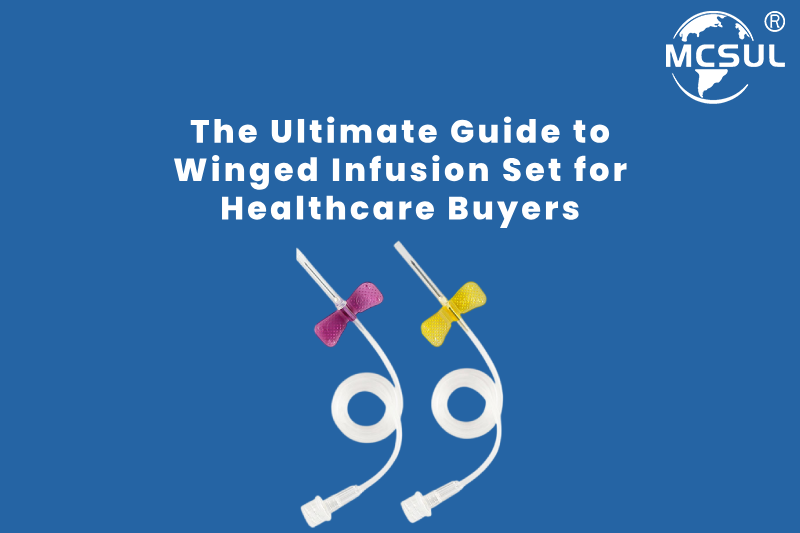
Buying medical supplies is not always simple. Some products look small and basic, but they play a big role in patient care. A winged infusion set is one of those products.
If you work in a hospital, clinic, lab, or medical supply business, you’ve probably seen them many times. They are often called “butterfly needles” because of their small plastic wings.
But choosing the right one takes more than just picking a needle size.
This guide explains what a winged infusion set is, how it works, where it’s used, and what medical buyers should know before placing an order.
What Is a Winged Infusion Set?
A winged infusion set is a little medical device that allows access a vein. It allows medical professionals to collect blood and provide fluids and drugs.
The device usually includes:
- A short needle
- Two flexible plastic wings
- Transparent tubing
- A connector or adapter at the end
The wings help the clinician hold the needle steadily during insertion. That’s why it’s called a butterfly needle.
These sets are typically utilized for patients with tiny or problematic veins, and include
- Children
- Older patients
- Cancer patients
- Patients requiring regular blood draws
They are intended to provide maximum comfort, control, and accuracy.
Why Are Winged Infusion Sets So Popular?
Many healthcare professionals like using winged infusion sets because, it simpler to manage than standard straight needles. The small wings improve grip and control. This reduces movement during insertion. That matters a lot when working with fragile veins.
A nurse drawing blood from a dehydrated patient, for example, may choose a butterfly set because it allows better accuracy and causes less discomfort.
Another reason is patient comfort. The needle is usually thinner and less intimidating than larger IV needles.
For nervous patients, especially children that can make the experience less stressful.
Main Parts of a Winged Infusion Set
Knowing the different parts allows to compare products in a more effective way.
1. Needle
The needle is the sharp metal part inserted into the vein.
Needles come in different gauges. Common sizes include:-
- 18G
- 20G
- 21G
- 23G
- 25G
- 27G
A higher gauge means a thinner needle.
For example:
21G is often used for routine blood collection
23G or 25G works better for small veins
2. Wings
The flexible wings sit on both sides of the needle.
They help healthcare workers:
- Hold the needle securely
- Control insertion angle
- Tape the device in place
Soft and flexible wings usually improve handling.
3. Tubing
The tubing connects the needle to a syringe, blood collection tube, or IV line.
Longer tubing allows more flexibility during procedures.
Transparent tubing is preferred because clinicians can quickly check blood flow.
4. Connector
The connector attaches the infusion set to other medical equipment.
Common connector types include:-
- Luer lock
- Slip connector
- Multi-sample adapters
Compatibility matters here. Buyers can look forward to ensuring that the connector perfectly aligns with the existing systems in the facility.
Common Uses of Winged Infusion Sets
Winged infusion sets are used in many medical settings.
Blood Collection
This is probably the most common use.
Phlebotomists often choose butterfly needles for patients with veins that are difficult to access.
You’ll see them used frequently in:
- Diagnostic labs
- Hospitals
- Blood testing centers
IV Infusion
Some winged infusion sets are used for short-term IV therapy.
This includes:
- Hydration fluids
- Antibiotics
- Pain medications
However, they are usually not ideal for long-term infusion.
Pediatric Care
Children often have smaller veins and may move during procedures.
Winged infusion sets offer better control and usually create less discomfort.
Many pediatric nurses prefer them for that reason.
Geriatric Care
Older adults may have fragile veins that collapse easily.
A smaller butterfly needle can reduce vein trauma and bruising.
Oncology Treatments
Cancer patients often undergo repeated blood draws and treatments.
Butterfly needles can make the process smoother and more comfortable.
Different Types of Winged Infusion Sets
Not all butterfly needles are the same.
Medical buyers should understand the main categories before ordering in bulk.
Safety Winged Infusion Set
These include a built-in safety mechanism that covers the needle after use.
This makes needle stick accidents less likely to happen by mistake.
Because safety rules in the workplace are tighter now than they used to be, many hospitals now choose safety versions.
Even though it costs a little more, they lower the chance of damage and make removal easier.
Blood Collection Set
Blood Collection Sets are designed mainly for venipuncture and blood sampling. They often include tube holders or adapters.
Infusion Therapy Set
Infusion Therapy Set are intended for delivering fluids or medications. The tubing and connectors may differ from standard blood collection models.
How to Choose the Right Winged Infusion Set
People who buy medical supplies should not only look at price. A cheaper product that causes leakage, poor flow, or patient discomfort can create bigger costs later.
Here are the main things to consider.
1. Needle Gauge
Gauge selection depends on the intended use.
General guide:
| Gauge | Common Use |
| 18G–20G | Rapid fluid delivery |
| 21G | Routine blood draws |
| 23G | Small veins |
| 25G–27G | Pediatric or fragile veins |
Buying multiple gauge options is common in hospitals.
2. Tubing Length
Short tubing works well for simple blood collection. Longer tubing may help during infusion therapy or difficult positioning.
Some clinicians have strong preferences here. It’s worth asking the staff before placing a large order.
3. Safety Features
Safety-engineered devices help protect healthcare workers.
Features may include:
- Retractable needles
- Sliding shields
- Automatic locking systems
Facilities with high patient volume usually benefit from safer systems.
4. Sterility and Packaging
Each unit should be sterile and individually packed.
Check:
- Expiration dates
- Packaging quality
- Sterilization method
- Regulatory certifications
Damaged packaging is a serious concern in medical environments.
5. Material Quality
- Cheap plastic wings may break or feel rigid.
- Poor tubing may kink and interrupt flow.
- Good-quality products improve both safety and user confidence.
Some buyers focus heavily on price at first, then switch brands later because staff complaints become constant.
That happens more often than people think.
6. Regulatory Compliance
Always examine local and international standards for the products.
Certifications may vary based on your region:
- CE mark
- FDA approved
- ISO standards
This is particularly true with hospitals and government procurement.
Tips for Buying Winged Infusion Set in Bulk
Buying in bulk needs some thoughtful planning.
Here are some practical tips.
Ask for Samples First
- Never rely only on product photos or catalogs.
- Real-world testing matters.
Have nurses or phlebotomists test the samples and give feedback.
Compare More Than Price
Check this out:-
- Quality of the product
- Safety feature
- Packaging
- Delivery reliability
The least expensive choice isn’t always the best value for your money.
Credibility of the Supplier
Good Supplier provide:
- Product certification
- A constant supply of stock
- Clear communication
- Technical support
Reading reviews or requesting references can help.
Storage & Handling Tips
Proper storage is essential for winged infusion sets to keep them sterile.
Basic storage criteria are:
- Store in a cool, dry place
- Don’t be caught in excessive heat
- Keep out of direct sunlight
- Regularly check expiry dates
Products, even of good quality, might become useless if kept improperly.
Final Thoughts
Winged infusion sets are modest medical devices, however they make a tremendous difference in patient care and clinical efficiency.
It’s not about merely selecting a low-cost product for medical customers. “It’s a product that healthcare workers trust, that patients tolerate well.”
A good butterfly needle should offer:
- Smooth insertion
- Reliable flow
- Strong safety features
- Consistent quality
Taking time to compare options carefully can prevent many problems later. And honestly, when nurses stop complaining about a product, that’s usually a pretty good sign you bought the right one.