 +86-791-8686-1216


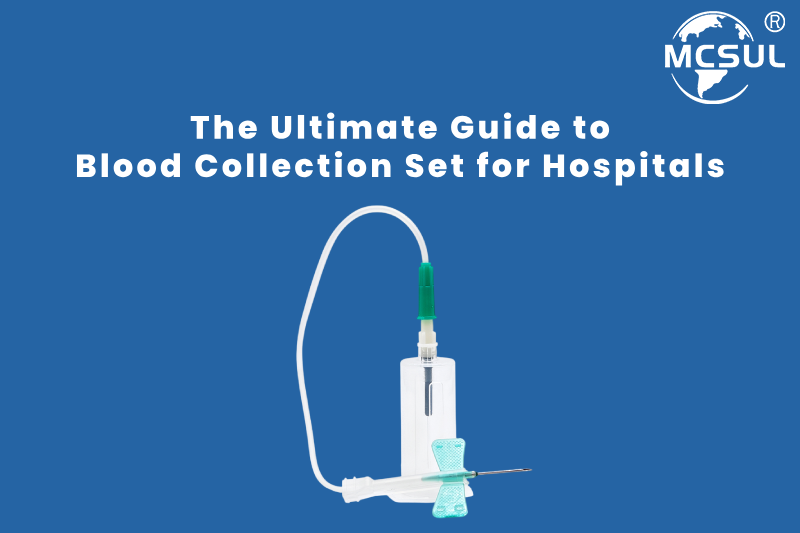
Blood testing is super important in today’s healthcare world. Every day, hospitals carry out thousands of blood tests. These tests help in diagnosing diseases, keeping an eye on patient health, and making treatment decisions. Healthcare professionals use specialized medical devices called blood collection set to safely and accurately collect blood.
This guide covers all the essentials hospitals should know about blood collection sets, from their components and types to the benefits and best practices for safe use. If you’re a hospital administrator, medical supplier, phlebotomist, or any healthcare professional, knowing the right equipment for blood collection can really enhance patient care and boost lab accuracy.
What Are Blood Collection Sets?
A blood collection set is a sterile medical device that helps draw blood from a patient’s vein. It typically comes with a needle, some flexible tubing, and a connector that links up to a blood collection tube or container.
Healthcare professionals use these sets when:
- Routine blood tests
- Diagnostic testing
- Blood donations
- Intravenous access for short procedures
Blood collection sets are made to simplify venipuncture, ensuring safety for both the patient and the healthcare worker. To accurate test results and patient safety hospitals needs reliable hospital blood sample collection equipment.
Why Blood Collection Equipment Are Essential for Hospitals
Hospitals handle a large number of blood tests every day. Accurate blood collection is critical because even small errors during the collection process can affect laboratory results.
Using high quality blood collection sets for hospitals helps reduce these risks and improves the overall efficiency of blood testing procedures.
Key Benefits for Hospitals
Hospitals prefer modern blood collection sets because they offer several advantages:
- Enhanced patient comfort during venipuncture
- Improved access to challenging veins
- Lower chance of vein injury or bruising
- Reduced risk of blood sample contamination
- Improved safety for healthcare workers
These benefits make hospital blood sampling devices an important part of clinical workflows.
In busy hospital environments where speed and precision matter, the right phlebotomy equipment can make a significant difference.

Key Components of a Blood Collection Set
A standard blood collection set has several important parts. Each of these elements is essential for the safe collection of blood samples.
1. Needle
This is the device that actually enters the patient’s vein. Usually constructed from stainless steel, it’s designed to facilitate a smooth venipuncture. Needle sizes usually fall between 21G and 23G, and it really depends on how big the patient’s vein is.
2. Flexible Tubing
The tubing links the needle to the holder for the collection tube. It makes moving around and controlling things during blood collection a lot easier. Using flexible tubing can really make a difference when it comes to drawing blood from those small or delicate veins.
3. Tube holder or adapter
The holder attaches the blood collection set to the vacuum tubes. You can collect multiple samples without having to take the needle out.
Safety shield or protective cap
These days, a lot of modern blood collection sets come with a safety feature that covers the needle once you’re done using it. This is great for avoiding injuries and infections.
Types of Blood Collection Equipment Used in Hospitals
Hospitals use different types of blood collection sets depending on the patient and medical procedure.
Butterfly Blood Collection Sets
Butterfly sets are the most commonly used medical blood collection devices in hospitals. They feature small plastic wings on both sides of the needle.
These wings allow healthcare professionals to stabilize the needle while performing venipuncture.
Butterfly sets are perfect for:
- Pediatric patients
- Older patients
- Patients with fragile veins
- Difficult blood draws
Many phlebotomists like to use butterfly sets when dealing with tricky veins because they offer better control.
Safety Blood Collection Sets
Safety blood collection sets come with built-in features designed to keep healthcare workers safe from accidental needle sticks.
Needle stick injuries can put medical staff at risk for infections like hepatitis or HIV. Safety-engineered devices help lower this risk by either covering or retracting the needle once it’s been used.
These days, a lot of hospitals are making it a point to use safety blood collection devices as part of their workplace safety measures.
Winged Infusion Blood Collection Sets
Winged infusion sets are designed for procedures that require both blood collection and short-term intravenous access.
These sets are often used in emergency departments or critical care units where blood samples and IV treatments may be needed at the same time.

How Hospital Blood Collection Sets Are Used
Using a blood collection set for a medical venipuncture requires training and a focus on safety.
Blood draws follow a standard protocol, a routine that healthcare professionals consistently observe.
How to Collect Blood Step by Step
- Verify patient identity and test orders.
- Gather sterile blood collection supplies.
- Apply a tourniquet to locate a suitable vein.
- Clean the skin with an antiseptic solution.
- Insert the needle using the blood collection set.
- Allow blood to flow into the collection tubes.
- Remove the needle after enough blood is collected.
- Apply pressure to the wound to staunch the bleeding.
- Dispose of the device in a sharps container.
Using the correct technique is key to obtaining precise samples and minimizing any discomfort for the patient.
Handling Difficult Venipuncture Cases
Some people have veins that are hard to get to. In these cases, butterfly blood collection sets for hospitals provide better control and precision.
Professionals in healthcare may also:
- Use smaller gauge needles
- Choose veins in the hand or wrist
- Warm the skin to improve blood flow
These tips help raise the success rate of blood collection.
How Blood Collection Sets Improve Patient Care
When hospitals have the right blood collection equipment, both patients and staff are safer.
Reduced pain and anxiety
With sharper tips and smoother surfaces, modern needles are made. This makes the venipuncture less painful.
Faster Procedures are used
Nurses can get blood tests faster if they have better tools. This helps cut down on the time people have to wait.
Lower risk of complications
When you use the right blood collection sets, risks like
- Hematoma formation
- infection
- Vein damage
Safety Guidelines for Using Blood Collection Sets
Blood collection procedures in hospitals must adhere to strict safety standards.
Always Use sterile Device
To keep infections from spreading, you must use each blood collection set only once and ensure it is empty.
Utilize the Proper Venipuncture Technique
So that problems don’t happen, healthcare workers should be taught the right way to do venipuncture.
Activate safety mechanisms
As soon as the process is over, the safety function on the blood collection set should be turned on.
Dispose Of Needles Properly
In order to keep people from getting hurt by mistake, you must put used needles in correct sharps cases.
How to Choose the Right Blood Collection Set for Hospitals
When hospitals choose blood collection equipment, they need to think about a number of things.
Needle Gauges
Each patient needs a different size needle.
- 21G – Standard adult patients
- 22G – Smaller veins
- 23G – Pediatric or fragile veins
If you choose the right gauge, the blood will flow smoothly and the patient will be comfortable.
Tubing Length
Longer tubes are more flexible, but they may slightly slow blood flow. The type of treatments should help hospitals decide how long the tubes should be.
Safety Features
Safety-designed blood collection sets help hospitals cut down on injuries at work.
Quality and Sterility
Hospitals should purchase only high quality sterile blood collection sets from medical sellers who have received the necessary certification.
Blood Collection Devices Must Meet Certain Standards
Laws govern medical devices like blood collection sets. Manufacturers must meet strict quality and safety standards before hospitals can use these products.
Standards set by other countries make sure that medical devices;
- The sterility
- The material safety
- Product performance results
- Manufacturing quality products
Hospitals frequently buy medical devices that have received regulatory approvals from medical authorities and certifications like ISO quality standards.
Why Choose KDLNC For Blood Collection Set
As a trusted manufacturer and supplier of blood collection sets, we understand how important safety and reliability are in healthcare environments. We produce our blood collection sets for hospitals using advanced manufacturing technology and strict quality control processes. We carefully design each product to support safe venipuncture, accurate blood sampling, and improved patient comfort.
Conclusion
Blood collection sets are vital in hospitals and labs. They assist healthcare professionals in gathering precise blood samples while prioritizing patient comfort and safety.
Hospitals today have various options, from winged butterfly needles to advanced safety blood collection systems. Selecting the appropriate device relies on patient requirements, procedure categories, and hospital safety protocols.
Investing in high-quality blood collection sets enhances diagnostic accuracy, minimizes risks for healthcare workers, and improves patient care.