 +86-791-8686-1216



What’s going on inside the body is better understood by doctors thanks to blood tests. A blood sample must stay in the right state after it is taken in order for these tests to be correct. Anticoagulant tubes are crucial in situations like these.
In hospitals and laboratories, anticoagulant tube are specialized blood collection tubes. Drugs in them keep blood from clotting. For doctors and lab techs to test the blood correctly, this is helpful.
This guide will explain what anticoagulant tubes are, the different types of anticoagulant tube, their uses, and their benefits in medical testing.
What Are Anticoagulant Tubes?
Anticoagulant tubes are medical laboratory tubes used to collect blood samples while preventing the blood from clotting.
A drug called an anticoagulant is in small amounts inside each tube. Blood from forming clots is prevented by this substance. Blood stays in liquid form and can be used for different laboratory tests as a result.
These tubes are widely used in:
- Hospitals
- Diagnostic laboratories
- Blood banks
- Research labs
Anticoagulant tubes are usually color-coded, making it easier for medical professionals to identify the type of anticoagulant inside.
What is the import of anticoagulant tubes in blood testing?
When blood leaves the body, it starts to clot on its own. Clotting helps wounds heal, but it can get in the way of many lab tests.
Anticoagulant tubes solve this problem.
They help in:
- Keeping your blood in liquid form
- Maintaining the high quality of the sample
- Allowing for more accurate laboratory analysis
- Stop damage to blood cells
A lot of popular tests, like complete blood count (CBC), clotting tests, and plasma tests, would not be possible without anticoagulant tubes.
How Do Anticoagulant Tubes Work?
Anticoagulant tubes disrupt blood clotting. Blood clotting happens through a complex chain reaction that involves calcium and clotting proteins. Anticoagulants stop this process in different ways.
Anticoagulants include:
- Bind calcium in blood
- Inhibit clotting enzymes
- Stop platelets from creating clots
Because of this, the blood stays fluid and can be separated into components like plasma and blood cells for testing.
Types of Anticoagulant Tubes Used in Laboratories
There are several types of anticoagulant blood collection tubes, and each type is used for different medical tests.
Let’s look at the most common ones.
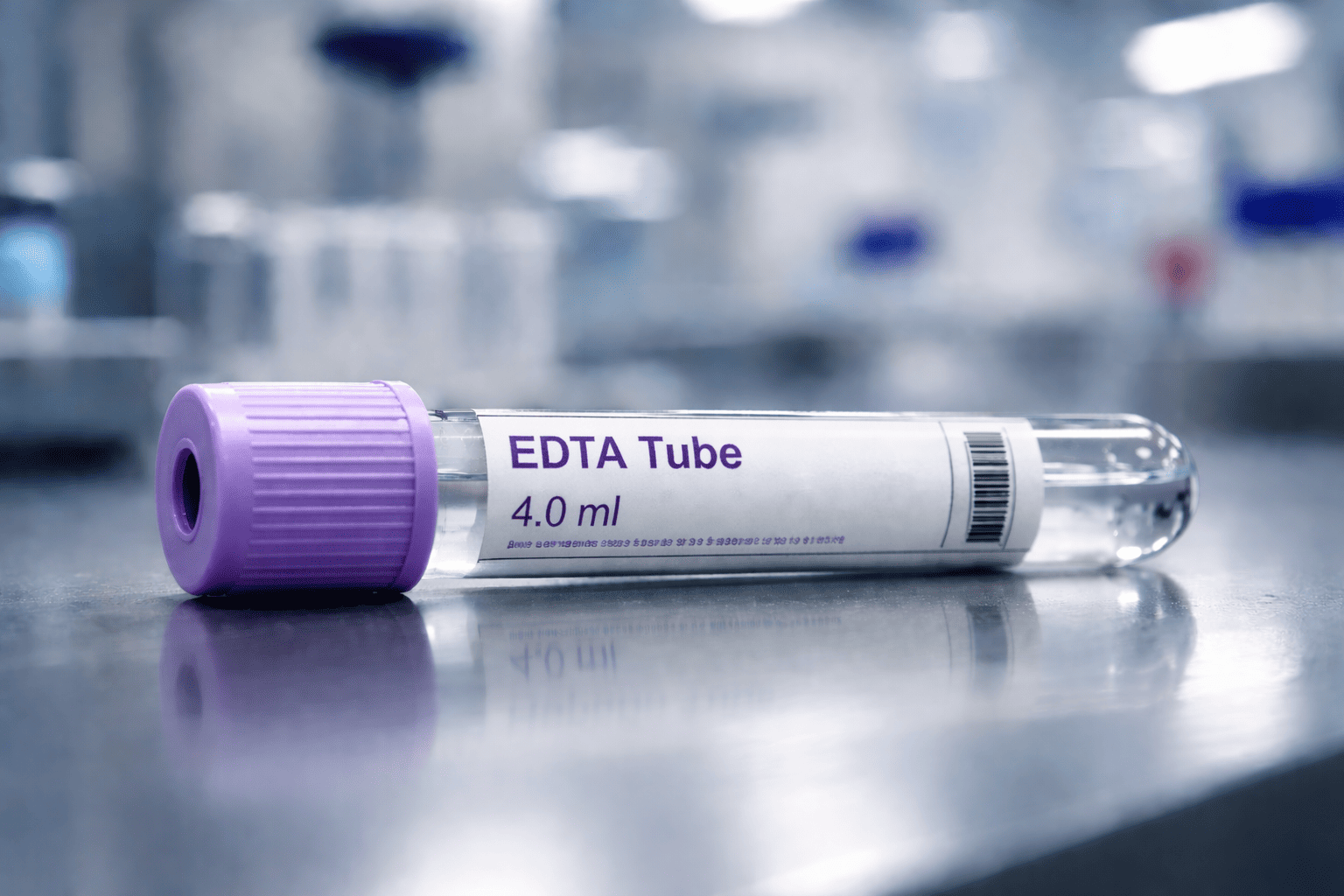
1. EDTA Anticoagulant Tubes
These tubes are among the most common use anticoagulant tubes in medical laboratories.
EDTA stands for Ethylenediaminetetraacetic Acid.
How EDTA Works
EDTA works by binding calcium in the blood which prevents the clotting process from starting.
Tube Color
EDTA tubes usually have a lavender or purple cap.
Common Uses
EDTA tubes are mainly used for:
- Complete Blood Count (CBC)
- Hematology tests
- Blood cell analysis
- Platelet count
- Blood typing
These tubes help preserve the shape and structure of blood cells, which is important for accurate results.
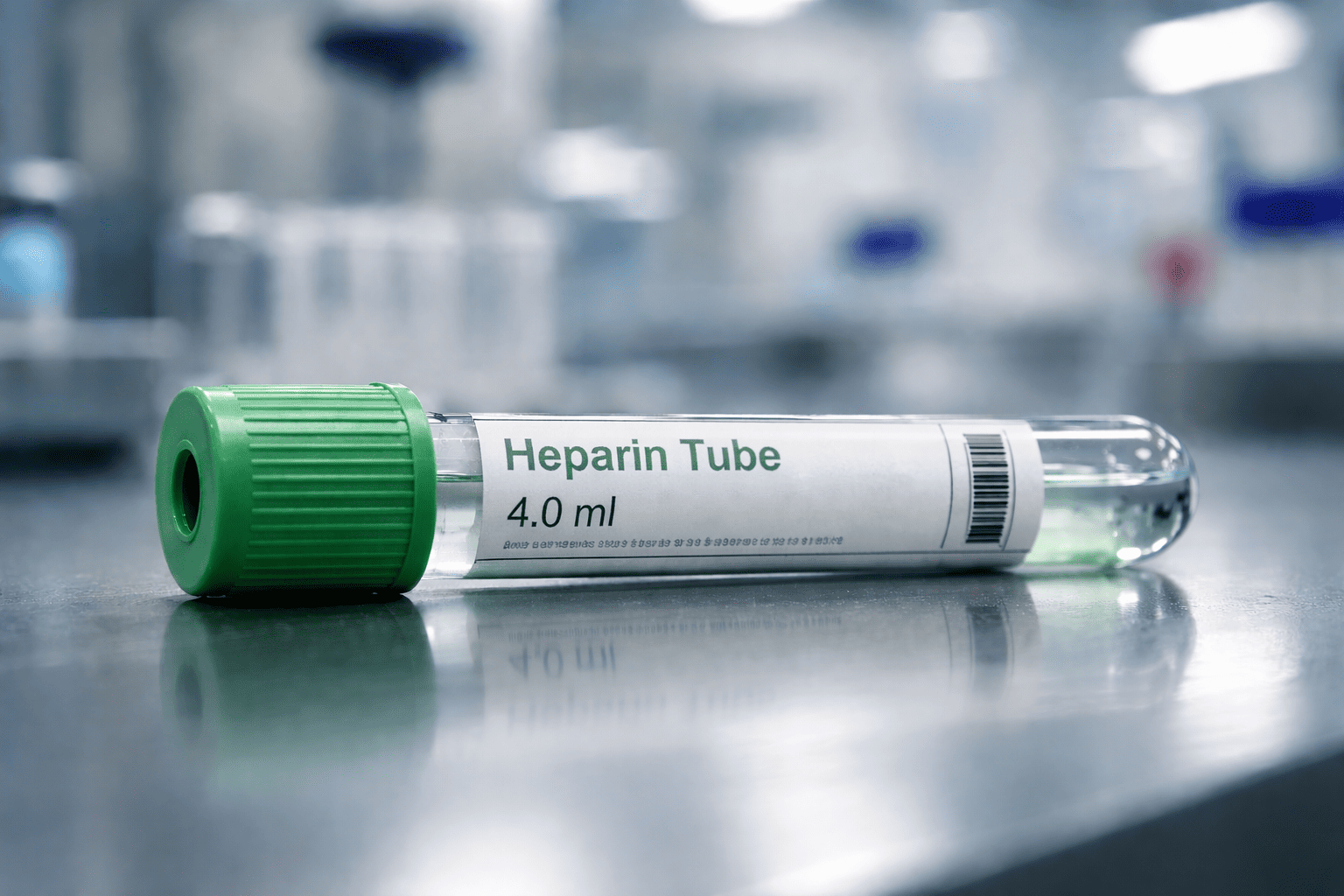
2. Heparin Anticoagulant Tubes
Heparin tubes contain the anticoagulant heparin, which prevents blood clotting by blocking certain clotting proteins.
Tube Color
Heparin tubes typically have a green cap.
Types of Heparin
There are different forms of heparin used in blood collection tubes:
- Lithium heparin
- Sodium heparin
- Ammonium heparin
Common Uses
Heparin anticoagulant tubes are often used for:
- Plasma testing
- Blood gas analysis
- Electrolyte testing
- Clinical chemistry tests
These tubes allow laboratories to separate plasma quickly.
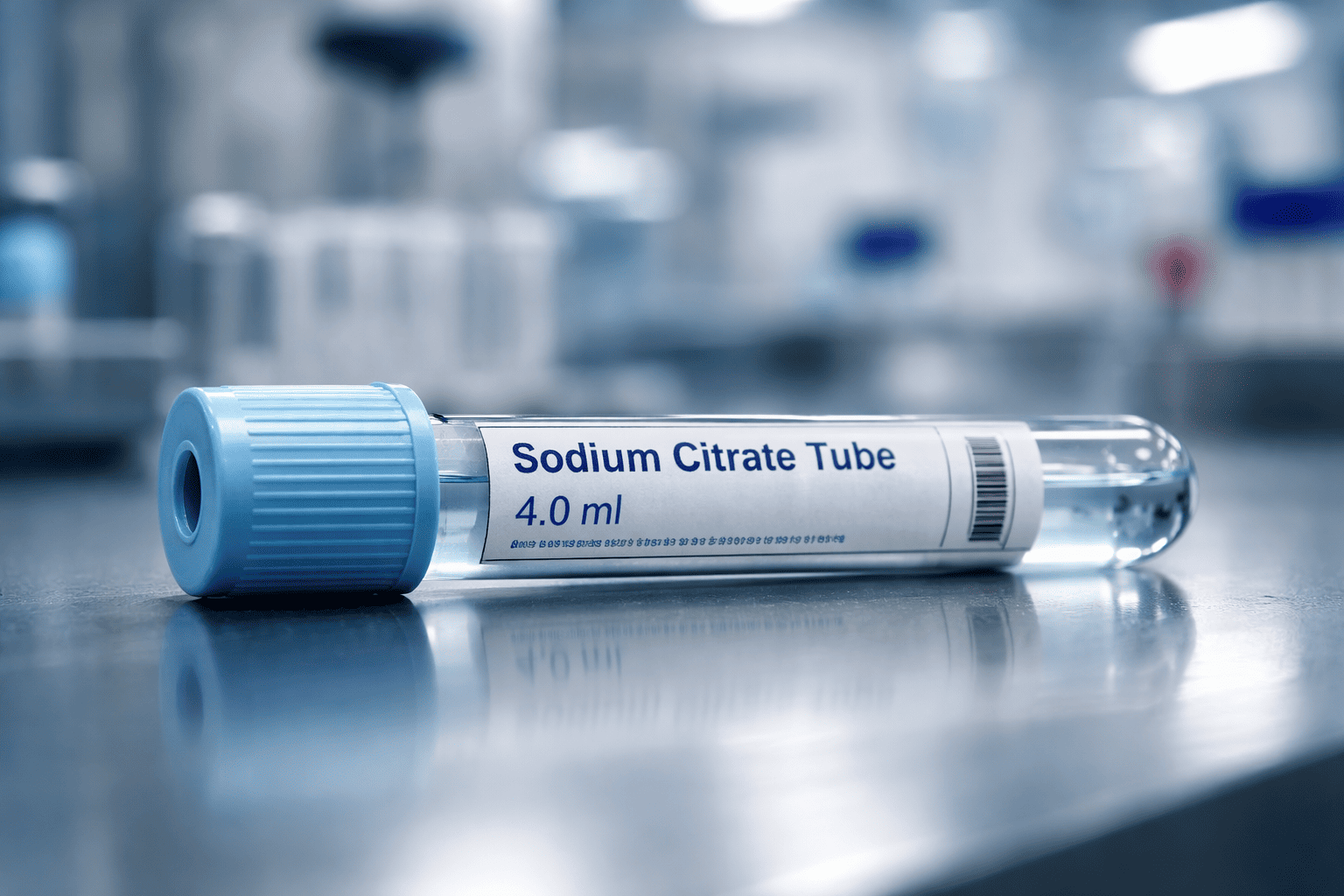
3. Sodium Citrate Anticoagulant Tubes
Sodium citrate tubes are mainly used for tests related to blood clotting.
Tube Color
These tubes usually have a light blue cap.
How Sodium Citrate Works
Sodium citrate prevents clotting by binding calcium temporarily. In the lab calcium can be added back during testing to measure clotting time.
Common Uses
Sodium citrate tubes are used for:
- Coagulation testing
- Prothrombin Time (PT)
- Activated Partial Thromboplastin Time (aPTT)
- D-dimer tests
These tests help doctors diagnose bleeding disorders and monitor blood-thinning medications.
3. Fluoride Oxalate Tubes
Fluoride oxalate tubes are commonly used for glucose testing.

They contain two chemicals:
- Sodium fluoride
- Potassium oxalate
Tube Color
These tubes typically have a gray cap.
How It Works
Potassium oxalate prevents blood clotting, while sodium fluoride stops glucose breakdown in the blood.
Common Uses
Fluoride oxalate tubes are used for:
- Blood sugar testing
- Glucose tolerance tests
- Diabetes monitoring
These tubes help ensure accurate glucose measurement.
Anticoagulant Blood Collection Tubes Color Coding
Medical laboratories follow a standard color-coding system for blood collection tubes. This helps healthcare workers quickly choose the right tube.
Common color codes include :
| Tube Color | Anticoagulant | Common Use |
|---|---|---|
| Lavender/Purple | EDTA | CBC, hematology |
| Green | Heparin | Plasma tests |
| Light Blue | Sodium Citrate | Coagulation tests |
| Gray | Fluoride Oxalate | Glucose testing |
Using the wrong tube can affect the test results, so correct tube selection is very important.
Common use of Anticoagulant Tubes in Medical Laboratories
In several areas of healthcare, anticoagulant tubes are quite important.
Hematology testing
Hematology is all about studying blood cells.
Anticoagulant tubes are used for tests such as:
- Complete Blood Count (CBC)
- Testing for hemoglobin
- White blood cell count
- Platelet count
These tests are really useful for figuring out issues like anemia, infections, and blood disorders.
Coagulation testing
Coagulation tests show how effectively your blood is clotting.
Doctors request these tests to:
- Figure out bleeding disorders
- Keep an eye on blood thinner medications
- Check how well the liver is working.
These tests primarily use sodium citrate tubes.
Clinical chemistry tests
Clinical chemistry tests look at the chemicals found in blood.
Heparin tubes are commonly used for:
- Testing for electrolytes
- Tests for kidney function
- Liver function tests
- Analyzing plasma
These tests are great for spotting diseases and keeping an eye on how well your organs are doing.
Diabetes and glucose testing
Keeping an eye on blood sugar levels is really key when it comes to diagnosing and managing diabetes.
Fluoride oxalate tubes are great for keeping glucose levels stable in blood samples, which makes them perfect for:
- Blood glucose testing
- Diabetes screening
- Glucose tolerance tests
Benefit of Using Anticoagulant Tubes
In medical diagnostics, anticoagulant tubes are very helpful in many ways.
Ensures Accurate Test Results
- The accuracy of anticoagulant tubes is one of their main benefits.
- These tubes keep the sample stable and suitable for testing because they stop blood clotting.
Because of this, laboratories can give doctors accurate data.
Preserves Blood Components
These anticoagulant tubes help keep the structure of
- Red blood cells
- white blood cell
- Platelets
- plasma
For many laboratory tests, this protection is necessary.
Enables a Wide Range of Tests
A lot of important blood tests would not be possible without anticoagulant tubes.
They allow the following to happen:
- Hematology tests
- Coagulation tests
- Clinical Chemistry Tests
- Plasma-based testing
Improves laboratory efficiency
- Anticoagulant tube speed up the processing of samples in laboratories.
- Technicians can easily separate plasma and examine its different parts because the blood stays flowing.
- This helps medical labs that are always busy get more done.
- Helps with diagnosing and keeping an eye on diseases.
- Blood tests are use by doctors to identify and keep track of a variety of illnesses.
It is very important to use anticoagulant tube to find:
- Anemia
- Blood Clotting Disorders
- Diabetes
- Infections
- Organ diseases
These tubes aid healthcare professionals in making more accurate medical decisions by ensuring high-quality blood samples.
Best Practices When Using Anticoagulant Tubes
For accurate lab results, it’s really important to handle anticoagulant tube correctly.
Here are a few best practices to consider:
Choosing the Right Tube
- Every test needs a certain kind of tube.
- Choosing the wrong anticoagulant can really impact the test result.
Mixing Blood and Anticoagulant the Right Way
- Once you’ve collected the blood, just give the tube a gentle flip a few times.
- This mixes the blood with the anticoagulant and stops clots from forming.
Getting the Blood Volume Right
- Some anticoagulant tube need a certain blood-to-anticoagulant ratio.
- Filling the tube too much or too little can really mess with the results.
Proper Storage and Transport
- Make sure to store and transport blood samples following the lab’s guidelines.
- Storing the sample the wrong way can really mess things up and change how the test turns out.
The Role of Anticoagulant Tubes in Modern Diagnostics
Modern medicine depends heavily on accurate laboratory testing. Anticoagulant tube have become a basic tool in diagnostic laboratories around the world.
They allow healthcare professionals to:
- Study blood cells
- Analyze plasma
- Detect diseases early
- Monitor treatment progress
From routine health checkups to advanced medical research, anticoagulant tube support many types of medical testing.
Final Thoughts
Anticoagulant tube play a crucial role in today medical labs. These special blood collection tubes help keep blood from clotting, that make it easier for doctors and lab techs to run all sorts of diagnostic tests.
There are various types of anticoagulant tube out there, like EDTA tubes, heparin tubes, sodium citrate tubes, and fluoride oxalate tubes, each serving different medical needs.
They are useful in healthcare because they preserve blood samples, increase testing accuracy, and aid illness diagnosis.
As laboratory technology continues to grow, anticoagulant blood collection tubes will remain a critical tool in medical testing, research, and patient care.