 +86-791-8686-1216


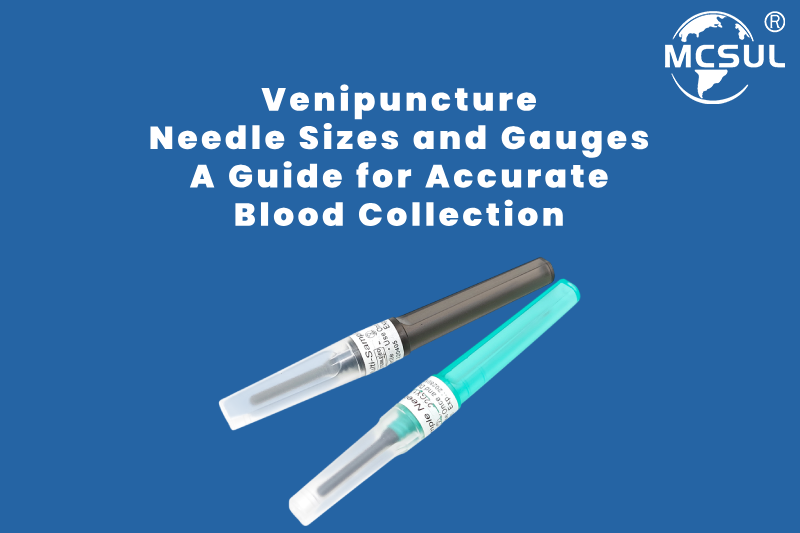
Blood collection may seem straightforward, but little decisions may have a major impact. The venipuncture needle size and gauge are two of the most crucial decisions. Using the right needle may reduce pain, prevent vein damage, and provide a clean blood sample.
Venipuncture needle sizes and gauges are explain in this guide in simple terms. You will learn how to choose the right needle for accurate blood collection, whether you are a student, a novice phlebotomist, or a healthcare professional brushing up.
What Is a Venipuncture Needle?
A venipuncture needle is a sterile needle use to draw blood from a vein. It is most often use for lab tests, blood donations, and medical exams.
Venipuncture needles come in different sizes, lengths, and gauges. Each option serves a purpose. Choosing the wrong one can cause slow blood flow, bruising, or a failed draw.
Understanding Needle Gauge (The Basics)
What Does Needle Gauge Mean?
Needle gauge refers to the thickness of the needle. This can be confusing at first because:
- A lower gauge number means a thicker needle
- A higher gauge number means a thinner needle
For example:
- A 21 gauge needle is thicker than a 23 gauge needle
- A 25 gauge needle is thinner than both
This gauge system is standard across medical needles, not just venipuncture needles.
Why Needle Gauge Is Important for Drawing Blood
The gauge affects how blood flows through the needle and how comfortable the draw is for the patient.
- Thicker needles allow faster blood flow
- Thinner needles reduce discomfort but may slow blood flow
The goal is to balance patient comfort with accurate blood collection.
Common Venipuncture Needle Size and Gauge
21 Gauge Needle (Main Choice)
The 21 gauge venipuncture needle is the most frequently used needle for adult blood draws.
Best for:
- Adults With Healthy Veins
- Routine Blood Tests
- Standard vacuum tubes
Why it works:
- Strong blood flow
- Lower Risk of Hemolysis
- A good mix of comfort and efficiency
In clinics and hospitals, this size of needle is often the first choice.
22 Gauge Needle (A Bit Smaller Choice)
A 22 gauge needle is a bit thinner compared to a 21 gauge needle.
Best for:
- Adults who have smaller veins
- Older adults
- People with delicate veins
Here are some benefits:
- Reduced vein trauma
- It still lets the blood flow steadily
This size is great when a 21 gauge seems a bit too big, but you don’t really need a butterfly needle.
23 Gauge Needle (Butterfly Needle Size)
The 23 gauge needle is commonly used with a butterfly (winged infusion set).
Best for:
- Pediatric patients
- Geriatric patients
- Patients with difficult or rolling veins
Things to watch for:
- Slower blood flow
- Higher risk of hemolysis if drawn too fast
This needle size is popular for comfort and control, especially in hard-to-draw veins.
25 Gauge Needle (This is a very thin needle)
A 25 gauge needle is very small and isn’t usually used for venipuncture.
Best for:
- Very small or weak veins
- Only in certain cases
Some problems:
- Blood flow is very slow
- This is not good for vacuum tubes.
Although this scale is rarely used for standard blood collection, it might come in handy occasionally.
Needle Length and Why It Matters
Gauge is only one consideration. Needle length also affects how well a venipuncture works.
Needle Lengths Typically Used
Most venipuncture needles are made of
- 1 to 1.5 inches
For weak lines, shorter needles work well. In adults with more muscle, longer needles may be required for deeper veins.
Picking the right length helps make sure the needle goes just deep enough to hit the vein.
Picking the Correct Venipuncture Needle Size and Gauge for Your Patients
Adult Patients
For most adults:
- The most common needle size is 21 gauge.
- If veins are fragile or smaller, use 22 gauge.
With minimal discomfort, this enables quick, clean blood collection.
Pediatric Patients
Children’s veins are usually not very big, so they need smaller needles.
- A 23-gauge butterfly needle is often used.
- Control is improve by shorter needles.
During blood draws on kids, comfort and safety are the most important things.
How Needle Gauge Affects Hemolysis
Hemolysis happens when red blood cells break during collection. This can ruin a blood sample.
Higher risk factors include:
- Very small gauge needles
- Pulling blood too fast
- Excess vacuum pressure
Using the correct venipuncture needle size helps reduce hemolysis and improves lab accuracy.
Straight Needles vs. Butterfly Needles
Straight Needles
Directly connected to the tube holder are straight needles.
Best for:
- Regular blood draws for adults
- Solid veins that can be seen
They are cost effective and enable faster blood flow.
Butterfly Needle
Flexible tubing and wings are use by butterfly needles.
Best for:
- Little veins
- Geriatric or Pediatric Patients
- Cases of difficult venipuncture
They give you more control, but if you don’t use them properly, they may make hemolysis worse.
Safety Tips for Accurate Blood Collection
Always Match Needle Size to the Vein
Do not use a large needle on a small vein. This can cause:
- Pain
- Vein collapse
- Excess bruising
Common Mistakes When Choosing Needle Gauge
Some frequent errors include:
- Using a butterfly needle when not needed
- Choosing too small a gauge for vacuum tubes
- Ignoring patient vein condition
Proper training and practice help prevent these issues.
Venipuncture Needle Sizes Quick Reference Chart
Common Needle Gauges at a Glance
- 21 gauge: Standard adult venipuncture
- 22 gauge: Smaller or fragile adult veins
- 23 gauge: Pediatric, geriatric, or difficult veins
- 25 gauge: Rare special cases
Use this as a quick reminder during blood collection.
Why Proper Venipuncture Needle Size and Gauge Selection Improves Patient Experience
Using the correct venipuncture needle size:
- Reduces pain
- Lowers anxiety
- Prevents repeat sticks
Patients notice when order of blood draws are smooth and quick.
Takeaways: Choosing the Right Venipuncture Needle Size and Gauge
When it comes to venipuncture needle sizes and gauges, there is no one size fits all solution.The ideal needle size for venipuncture is determined by the patient’s age, vein size, and method of blood collection. Understanding phlebotomy needle sizes helps to prevent mistakes, increase patient comfort, and ensure accurate lab results.
Healthcare workers who understand venipuncture needle gauge selection are more likely to succeed on the first stick and avoid sample issues like hemolysis.
Final Thoughts
The sizes and gauges of venipuncture needles are essential to collect accurate blood samples. Get a grip on how gauge, length, and needle type all fit together can really help you make smarter choices each time.
When you match the needle to the patient and the vein, it really helps make things more comfortable, cuts down on mistakes, and guarantees that the lab results are spot on. Once you practice and pay attention to the little things, picking the right needle will feel like a breeze.
If you’re diving into phlebotomy or just looking to sharpen your skills, getting a handle on venipuncture needle sizes is super important for nailing those blood draws with confidence.