 +86-791-8686-1216


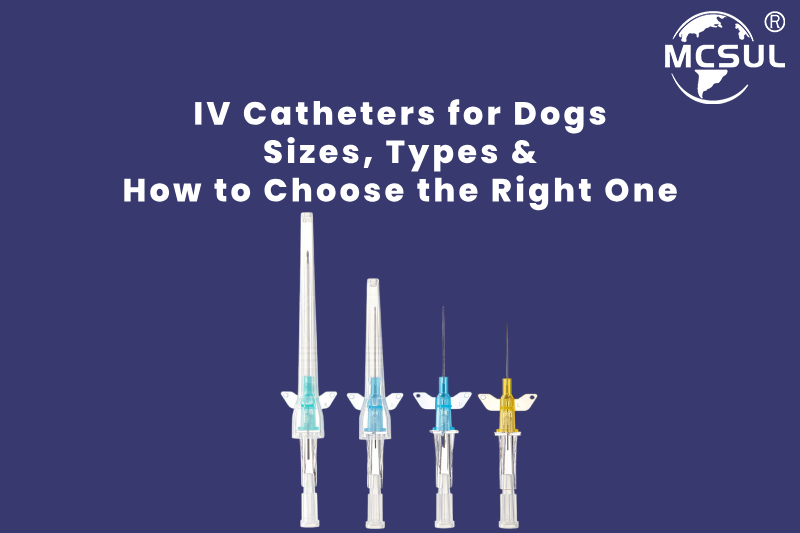
If your dog ever needs emergency care, surgery, or treatment for dehydration or illness, there’s a good chance a veterinarian will use an IV catheters for dog. A lot of dog owners become worried when they see tubes or medical equipment attached to their dog, yet IV catheters for dogs are relatively common and highly beneficial.
This complete guide explains what IV catheters are, how they work, why they’re use, the types vets choose from, what to expect during placement, and how to care for a dog who goes home with one. We’ll keep everything simple and easy to understand so you feel confident and informed.
What Is an IV Catheters for Dogs?
An IV catheter (intravenous catheter) is a small, flexible tube that is place into a vein to deliver fluids, medicine, blood products, or anesthesia directly into a dog’s bloodstream. This allows treatment to work quickly and accurately.
Unlike giving medicine by mouth or injection, an IV catheter gives vets a clear and reliable way to help dogs during illness or emergencies. It’s one of the most important tools in veterinary medicine.
Why IV Catheters Are Important in Dog Care
IV catheters allow veterinarians to:
- Give IV fluids for dehydration or shock
- Provide anesthesia safely during surgery
- Deliver pain medicine or antibiotics
- Perform blood transfusions
- Inject emergency drugs fast
- Take repeated blood samples without repeated pokes
When a dog is unstable, seconds matter. A well-placed catheter saves time and stress.
Benefits of Using IV Catheters for Dogs
- Fast drug delivery and predictable absorption
- Reliable access to the vein without repeated needle sticks
- Ability to give continuous fluids
- Safer anesthesia monitoring
- Easier patient stabilization in critical care
- Better comfort for the patient
Well-placed IV catheters reduce stress, improve therapy results, and allow the veterinary team to work more efficiently.
Common Places to Put an IV Catheter in a Dog
Most IV tubes are put in big veins that are simple to get to. The size, comfort, and medical needs of the animal help vets choose where to work.
- Front Leg (Vein in the Brain): Most often used for regular fluids, surgery, and staying in the hospital in general.
- Saphenous Vein in the back leg: This is helpful if the dog’s front legs are hurt or are busy with tracking gear.
- Neck Vein (Jugular): Used for needs with a lot of flow, like blood transfers or people who are very sick.
Types of IV Catheters for Dogs
Veterinarians choose from several types based on the dog’s size, condition, and treatment plan. Below are the most common types IV Catheters for Dogs use in veterinary clinics.
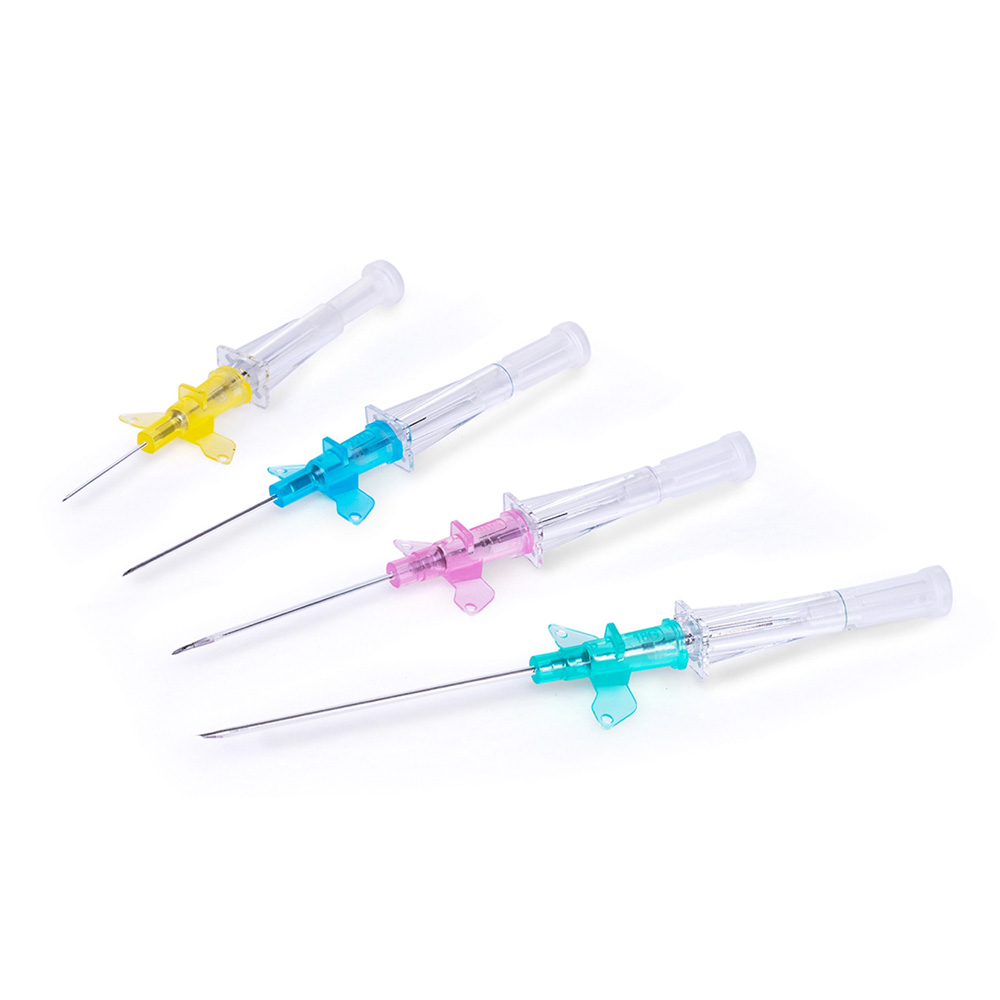
1. Over-the-Needle (OTN) Catheters
This is the OTN IV catheter that most dog owners use. It goes into a vein in the leg and is use for daily treatments.
Best for:
- Routine surgery
- Not enough water
- Therapies that last a short time
Pros:
- Simple to put
- Most dogs will be comfortable with it.
- Stays safe for 48 to 72 hours
- Good for fluid treatment
These are the finest IV catheters to utilize in a veterinary setting.
2. Through-the-Needle Catheters
These allow longer and deeper placement, often into the jugular vein.
Best for:
- Critical care patients
- Blood sampling
- High-volume or fast-flow fluids
Benefits:
- Strong and stable
- Used for long-term treatment
These catheters are often used in emergency and ICU settings.
3. Central Venous Catheters
Placed into a major vein in the neck or chest area when long-term access is needed.
Best for:
- Shock and trauma cases
- Heart or kidney disease
- Measuring central venous pressure
- IV nutrition
These provide the fastest flow and are common in specialty hospitals.
4. Butterfly Catheters
A Butterfly iv catheter used mostly for blood draws or quick medications.
Best for:
- Short procedures
- Dogs that move a lot
- Very small puppies or fragile veins
Not used for long-term fluids because they are more likely to slip out.
IV Catheter Materials
IV catheters are made from different materials. Some are softer and more flexible, while others are stiffer for fast placement.
| Material | Best For | Benefits |
|---|---|---|
| Teflon | Short-term fluids | Affordable, easy to insert |
| Polyurethane | Long-term use, fragile veins | Soft, reduces tissue damage |
| Silicone | ICU and chronic illness | Most flexible and comfortable |
Polyurethane catheters are often considered the best balance of strength and softness.
IV Catheter Sizes for Dogs
Catheter size is measured in gauge (G). The smaller the number, the larger the catheter. Vets choose size based on the dog’s weight, vein size, and treatment needs.
Common IV catheter sizes for dogs
| Dog Size | Weight Range | Recommended IV Catheter Gauge |
|---|---|---|
| Tiny dogs & puppies | Under 5 lbs | 24G–26G |
| Small dogs | 5–20 lbs | 22G–24G |
| Medium dogs | 20–50 lbs | 20G–22G |
| Large dogs | 50–90 lbs | 18G–20G |
| Giant breed dogs | 90+ lbs | 16G–18G |
| Emergency fast-flow fluids | Any size | 18G or larger |
Why size matters
- Large catheters allow fast fluids for shock or surgery.
- Small catheters reduce trauma in tiny or weak veins.
- Too large can damage the vein.
- Too small can block or clog.
How Veterinarians Choose the Best IV Catheter for Dogs
Selecting the best IV Catheters for a Dog is not random. Vets consider several factors:
1. Size of the Dog
Catheter Gauge: The size of the IV catheter is usually based on how big the dog is. If your dog is little, you could need a smaller gauge (18–24 G), and if your dog is big, you might need a bigger gauge (14–18 G).
Blood Vessels: The right size of a catheter also depends on the size and accessibility of the blood vessels.
2. Type of Treatment or Procedure
Fluid Therapy: For speedy delivery of fluids, bigger gauge catheters (14–16 G) are better since they make it easier to provide fluids to the patient quickly.
Giving medicine: Smaller gauges may use for medicine that doesn’t need to be given quickly.
3. How long the catheterization lasts
Access for a short time vs. a long time: A typical over-the-needle catheter may be enough for short-term use, as during a surgery. A central venous catheter, which is a safer choice, may be utilized for longer-term requirements.
4. Catheter Material
Polyurethane versus PVC: Polyurethane catheters are usually better for long-term usage since they are more flexible. PVC catheters are usually only use for short-term use.
Complications of IV Catheters for Dogs and How to Prevent Them
| Problem | Signs | Prevention |
|---|---|---|
| Phlebitis | Swelling, redness | Sterile prep, rotate every 72 hrs |
| Infection | Fever, discharge | Good hygiene & daily checks |
| Thrombosis | Firm vessel, pain | Replace at first sign of inflammation |
| Infiltration | Fluid leakage under skin | Check patency before meds |
| Air embolism | Rare but serious | Flush lines carefully |
| Catheter kinking | Poor flow | Proper securing & placement |
When to Replace a Dog’s IV Catheter
- Every 72 hours for peripheral catheters
- Signs of inflammation or pain
- If it becomes contaminated or loose
- When patency is lost
Signs the IV Catheter Size For Dog Is Correct
- Fluids flow smoothly and without alarms on pumps
- The leg is comfortable and not swollen
- No leaking around the site
- Stable placement without slipping
If problems appear, vets may adjust size or vein location.
Risks and Complications to Watch For
Complications are rare when the catheter is monitored, but they can happen:
- Swelling or fluid buildup
- Infection
- Vein inflammation (phlebitis)
- Blood clot
- Dislodgement from movement
If you notice swelling or discomfort at home after removal, call your vet.
How IV Catheters Are Placed in Dogs
The process is quick and usually done while the dog is awake.
Steps:
- The hair is shaved around the vein.
- The skin is clean with antiseptic.
- The catheter is insert into the vein.
- It is secured with tape and bandaging.
- A cap or fluid line is attached.
Some scared or painful pets may need mild sedation, but most do not.
Final Thoughts
One of the most significant equipment in veterinary treatment is the IV catheter for dogs. They make it easy and safe to provide fluids, drugs, and anesthetic fast. An IV catheter helps keep your dog’s health safe and sound, whether they require treatment for dehydration, an accident, surgery, or a disease.
If your vet suggests one, you may be sure that it is a normal, mild, and successful element of therapy. Your dog is in good hands with people that care.